Disclosure: As an Amazon Associate we earn from qualifying purchases. Some links on this page may be affiliate links — if you click through and make a purchase, we may receive a small commission at no extra cost to you.
I can’t stop thinking about how a tiny bookshelf can completely change a small room – if you know how to style it. Bookshelf decor for small spaces isn’t about cramming everything in, it’s about creating a tiny curated moment that feels intentional and cozy.
I wrote this because I moved into a tiny apartment two years ago and learned the hard way that size doesn’t limit style – it just asks for smarter choices. Over the months I experimented with plants, lighting, color grouping and a lot of rearranging, so these ideas are things I actually use and recommend to friends.
By the end you will have a dozen realistic, cozy, and simple styling moves you can apply the same day to make your small bookshelf feel intentional and lived-in.
These 12 Bookshelf Decor For Small Spaces Ideas
Books and Greenery Mix

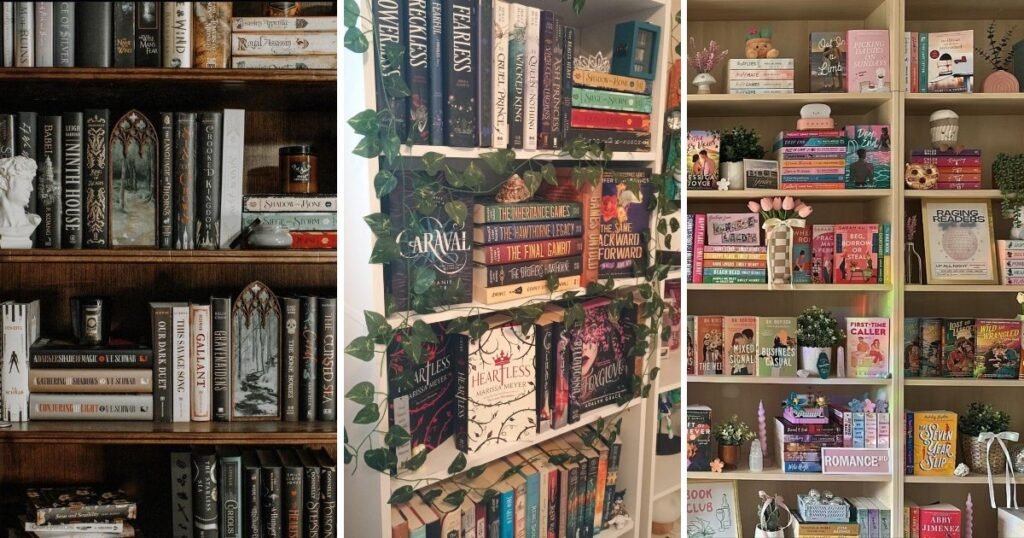
I love pairing books with small potted plants because it brings instant life to a compact shelf without stealing surface area from other things. Try a trailing pothos or small fern on the top edge so it softens the vertical lines and draws the eye up, helping the shelf feel taller. When I first moved into my tiny studio I put a little fern on my only shelf and it made the whole corner feel calmer and more intentional.
Lean Into Vertical Stacking

Stacking books vertically and horizontally creates pockets for decor and keeps things from looking overwhelming in a small footprint. Leave a couple of horizontal stacks to act as pedestals for a candle or a tiny plant – it helps with scale and breathing room. I use this trick when I entertain because guests always comment that the shelves look layered but not cluttered.
Mix Books With Vases

A couple of slim vases interspersed between books make the whole shelf feel curated and gallery-like, and they take up virtually no depth. Choose different heights and finishes to create a small rhythm that guides the eye without overcrowding the narrow space. I once grabbed mismatched thrift shop vases and grouped them by color on a shelf – it looked intentional even though nothing matched perfectly.
Flowers for Quick Color

A simple vase of fresh or dried flowers is the fastest way to add a seasonal pop to a tiny bookshelf and it doesn’t require much real estate. Rotate stems every few weeks so the display feels fresh and never stagnant, and use colors that pick up other accents in the room to create cohesion. When I had a tiny reading nook I swapped flowers based on what mood I wanted – peonies for cozy Sundays and dried grasses for calm weekday vibes.
Keep It Monochrome

For a clean and airy look in a small room, arrange books and objects in a similar color family so the shelf reads as one composed surface rather than many competing pieces. This trick visually expands the shelf because your eye glides over it instead of stopping at chaotic color changes. I used a cream-and-warm-wood palette in my own living room and it made the whole space feel intentionally edited and way calmer.
Cozy Nook Styling

Position a bookshelf next to a cozy chair and use a soft throw or small lamp to create a reading nook that doesn’t need a lot of square footage. Small details like a low-footprint side table and a focused lamp make a tiny corner feel like a deliberate escape rather than leftover space. I host a weekly ritual where I curl up there with tea and a stack of novels, and it became my favorite part of the apartment because it feels like a mini sanctuary.
Use Plants as Book Dividers

Small plants make cheerful natural dividers between stacks and they break up rows of book spines so your shelf looks breathable. Succulents or narrow pots won’t crowd the shelf depth and they add varying heights that create visual interest. One time I overwatered a plant on a shelf and learned quickly to pick low-maintenance varieties for high-shelves – lesson learned and the shelf survived unscathed.
Low Shelves, High Style

If your shelf sits low behind a couch or beside a bench, make the styling horizontal-friendly by arranging art and low objects along the top so it reads like a console. Keep the tallest items toward the ends and lower things toward the center to create a gentle visual dip that feels curated. I flipped my styling halfway through one weekend and that small swap made the room instantly feel more balanced without buying anything new.
Green Wall Pairing

Pairing a small shelf with a plant-covered wall or even a single scaled print of greenery can amplify the feeling of depth and make the space feel lush. The contrast between structured books and organic textures is especially striking in tight rooms where you want a big visual without the bulk. I once leaned a tall snake plant near a bookshelf and it gave the whole corner a slow, layered height that looked updated and effortless.
Create a Reading Ladder

A ladder effect where taller objects sit on high shelves and shorter ones on lower shelves gives a pleasing upward rhythm, which tricks the eye into perceiving height even in a compact corner. Alternate with small decorative items to avoid monotony and keep the arrangement feeling custom. I set up a small stepped display during a weekend purge and neighbors asked where I got the idea because it looked so intentional despite being simple.
Warm Lighting Accents

String lights, a slim LED strip, or a little lamp on a shelf adds warm depth and makes a small bookshelf feel intentionally cozy during evenings. Lighting also highlights favorite objects and creates pockets of focus so your shelf feels edited rather than overcrowded. I keep a tiny dimmable lamp tucked into a lower shelf and it turns my living room into a cozy reading den every night.
Group by Height and Shape

When you group objects by height and shape you make tiny areas feel calm because your eye understands the hierarchy and moves easily across the shelf. Use repeating shapes like round vases or square frames to create a rhythm that reads as intentional styling instead of random placement. I edit my shelves seasonally using this rule and it helps me resist the urge to keep adding random things that don’t belong.
How to Actually Make This Work For You
Start by measuring your shelf depth and height so you know what plants, frames, or vases will actually fit without sticking out or feeling cramped; then edit ruthlessly by removing anything that doesn’t serve a visual purpose or make you smile. Layer with three types of objects – books, a plant or two, and one personal item like a framed photo or small art piece – and swap pieces seasonally so the shelf always feels fresh and intentional. Finally, pay attention to light and balance by moving heavier visual weight to the bottom and highlighting favorite areas with a small light source so the whole nook reads as cozy, not cluttered.
How many books should I keep on a small shelf?
Keep enough books to look collected but not stuffed – think of leaving negative space as an intentional choice that breathes life into the shelf. Aim for about 60-75 percent filled and use horizontal stacks to break up rows when needed.
What plants work best for small shelves?
Choose low-maintenance, shallow-rooted plants like pothos, small succulents, or ferns that tolerate lower light and don’t need deep pots. These options add greenery without demanding a deep shelf or constant care.
Can lighting really change the feel of a tiny bookshelf?
Yes – warm, directional light creates pockets of focus and adds depth which tricks the eye into seeing a more layered and inviting space. Use a small lamp, battery-operated LED strip, or string lights to highlight key areas.
How often should I refresh my bookshelf styling?
Refresh your styling seasonally or whenever the space starts to feel stale, which for many people is every three to four months; small swaps like a new vase, a different plant, or a rotated stack of books are easy and impactful. Regular editing prevents clutter from building and helps maintain an intentional look.