Disclosure: As an Amazon Associate we earn from qualifying purchases. Some links on this page may be affiliate links — if you click through and make a purchase, we may receive a small commission at no extra cost to you.
I’m kind of obsessed with curtain room divider ideas right now – they feel like the easiest way to change a space without committing. I moved into a small apartment last year and quickly learned that curtains can do way more than cover windows.
I wrote this because I kept pinning dreamy divider looks and then trying (and sometimes failing) to recreate them in real life. I’ve hung curtains from ceilings, behind shelves, and even around a makeshift office nook – some attempts were Pinterest-perfect, others were delightfully imperfect.
Below you get 15 real-life curtain room divider ideas, honest tips, and a few tiny stories from my own experiments so you can pick one that actually works for your space.
These 15 Curtain Room Divider Ideas You’ll Obsess Over
Blue Corner Curtains
That deep blue curtain hugging the bed corner is such a cozy trick for creating a private sleeping zone in a studio. I actually tried navy in my first place and it made the bed feel like a tiny private den – I loved crawling in. If you have a doorway nearby, draping a curtain like this keeps things soft and calm, plus it hides clutter without effort. Quick side note – sometimes the curtain grazes the heater, so leave a little gap for safety.
Airy Ceiling Drape
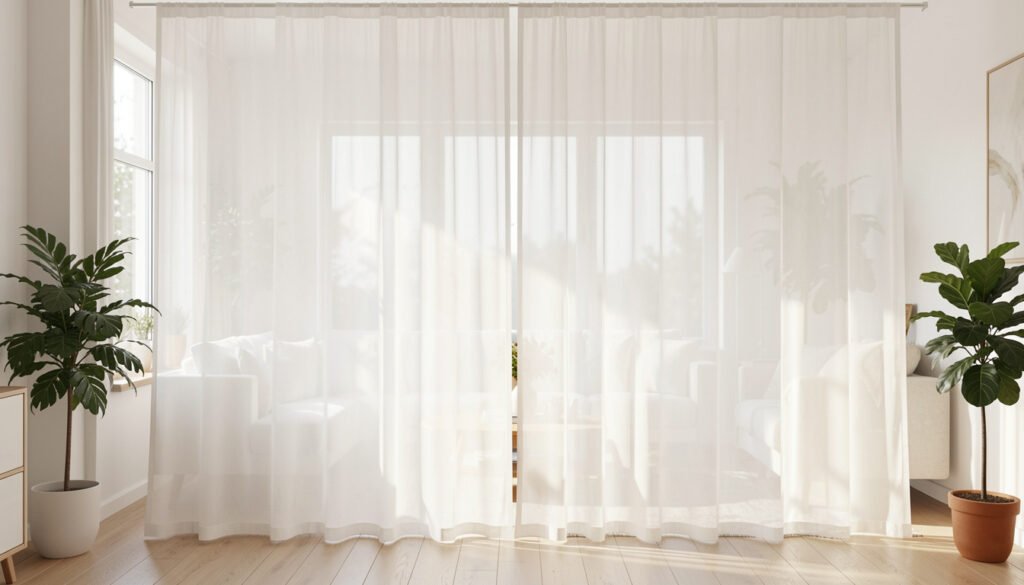
White drapes hung from the ceiling instantly make a room feel taller and breezier. I did this above my desk once when I needed to block the view of a neighbor’s window – total mood lift. You can open them when you want the space to breathe or pull them closed for a soft, cocooned vibe. Also, if you rent, a tension rod can be a lifesaver – but measure twice, please, because I had to rehang mine once.
Dining Room Curtain Wall
This clean dining setup shows how curtains can subtly separate eating areas without building walls. When friends come over, you can pull them back and make the whole place feel open; when it’s just us, they add a calm backdrop. I remember hosting a tiny dinner party and closing similar curtains to hide the chaos in the kitchen – total game changer. You could even choose a patterned fabric for a little personality boost.
Bed by Bookshelf Divider
I adore the idea of a bed next to a wooden bookshelf with a curtain to separate the two zones. I once used a heavy linen curtain behind a shelf to muffle light for naps and it actually worked better than any blackout panel I tried. This combo keeps sleep space private while the shelf still shows off your faves. If you love books but need calm, this is such a cozy compromise.
Bright Light Reveal
That shot of curtains pulled back to let the light flood in? Pure joy. I always pull mine open in the morning like it’s a tiny little ritual – weird but true. Pull-back curtains feel theatrical in a good way, and they let you control mood fast. If you like natural light for work or plants, this style keeps things flexible and pretty.
Work Nook in Red Sheer
Red sheer curtains around a desk create a warm, creative bubble that feels kind of like a stage. I painted an accent wall once and then hung a sheer to temper the bold color – it softened everything. When you’re on calls, a colorful curtain can be an easy background that doesn’t scream “I live behind a pile of laundry.” Tip – sheers won’t block sound, but they make the space feel curated.
Green-Dress Moment
There is something cinematic about opening curtains to a living room like that, and yes, I feel a little dramatic every time I do it. I once practiced my “sweeping entrance” for fun – okay, maybe that’s silly – but it made me love the idea of a curtain divider even more. Curtains invite movement and a chance to change the scene, which is honestly why I use them so much. They’re also perfect if you want a flexible backdrop for photos or Zooms.
All-White Minimal Space
Clean wooden floors with white walls and a curtain divider is the ultimate minimalist dream. I tried an all-white divider in a guest area and it made everything feel spa-like. If you prefer quiet, uncluttered vibes, this will be your jam because it gives definition without distraction. Just be ready to wash the curtains more often if you live in a busy household.
Plant-Backed White Curtains
White curtains with plants in the corner feels fresh and so alive – like bringing the outdoors in. I have a tiny rubber plant that sits near my window curtain and it somehow makes the whole setup feel intentional. Curtains help frame the plants and keep them from looking like an afterthought. If you love green, try layering sheers with a heavier panel for depth.
Sheer Bedroom Glow
Soft sheer curtains in a white bedroom give that dreamy, diffused light that makes mornings gentle. I once slept with sheers closed and woke up feeling like I was in a little cloud – unexpected but delightful. This is perfect if you want a romantic, airy feel without blocking out the day. Plus, sheer fabric is forgiving when your sewing skills are, um, imperfect.
Cozy Vase Corner
A simple vase and a curtain by the couch is a quiet styling move that feels editorial. I tried a similar floor vase once and accidentally knocked it over while dancing – true story, don’t ask. Still, that vignette elevated the whole corner, and a curtain behind it makes the display feel intentional. Little details like texture and height go a long way.
Ready-to-Use Living Room
This clean living room shows how curtains can be the finishing touch rather than the main event. I love when a curtain quietly defines a seating area without shouting for attention. If you’re hosting, you can close them for a cozy movie vibe or open them to connect the whole place. It’s minimal and practical – my favorite duo.
Sliding Door Curtain Flow
Using curtains with sliding doors gives you control over light and privacy without changing the doors themselves. I used this trick in a studio that had too much visibility into the hallway – instant privacy. It also softens the hard lines of glass and frames the transition between rooms beautifully. Pro tip – choose a runner that slides smoothly so you can actually use it everyday.
Neutral Curtain Vibes
Neutral-toned curtains in an open room are flexible and timeless, and they go with everything you already own. I hung a linen curtain in my living area and it matched every season’s decor, which saved me from redecorating stress. When in doubt, neutrals keep the mood calm and let furniture be the star. They’re also forgiving when pets decide curtains are their new scratching post – true story.
Playful Polka Dot Curtain
Blue polka dots bring a playful energy that feels unexpectedly chic when used as a room divider. I actually bought polka dot fabric once just because it made me smile every morning – small joys, you know? A patterned curtain gives you personality without permanent commitment. If you’re shy about bold prints, try using them in a small area first to test your love.
How to Actually Make This Work For You
Start by thinking about what you need most – privacy, light control, or just a stylish backdrop – and pick a fabric accordingly because that choice will make or break the vibe. Measure the space and consider hardware options early; tension rods are great for renters, ceiling tracks feel polished in permanent homes, and curtain clips can save your sanity during installation. Layering is underrated – mixing sheers and heavier panels gives you flexibility for morning brightness and nighttime coziness, and please, test the fabric in your actual light before buying a ton.
How do I hang a curtain without drilling?
You can use tension rods or removable ceiling-mounted tracks that stick with strong adhesive or hooks made for renters. They’re easy to install and take down, though heavier fabrics might need sturdier supports so test with a small section first.
What fabric is best for a room divider?
It depends on your goal – sheers soften light and add privacy without darkness, linen gives texture and a breezy look, and heavier cottons or velvets offer sound dampening and true separation. Think about maintenance too, because lighter fabrics usually wash easier.
Can curtains help with sound and insulation?
Yes, heavyweight curtains do help reduce noise and can slightly improve thermal insulation by creating an extra layer. They’re not a full replacement for proper insulation, but for apartments and shared rooms they can make a noticeable difference.
Any quick styling tips for beginners?
Keep it simple: match curtain length to the room (floor-grazing feels luxe), use neutral hardware for versatility, and add a pop of pattern if the rest of the room is calm. Also, don’t be afraid to make tiny mistakes – I learned more from the curtains I re-hung three times than the ones I got right the first time.