Disclosure: As an Amazon Associate we earn from qualifying purchases. Some links on this page may be affiliate links — if you click through and make a purchase, we may receive a small commission at no extra cost to you.
Okay friend, if you have a tiny dining nook and you keep wondering how to make it feel intentional, this is for you – dining room wall decor for small spaces can totally change how cozy and functional your corner feels. I love playing around with color, mirrors, and a few well-placed pieces to make my small space feel like it belongs in a magazine.
I wrote this because I’ve spent nights rearranging frames and hanging things at odd angles until the room finally clicked, and I know how confusing all the options can be. You’ll get realistic, budget-friendly ideas I actually tried in my tiny apartment so you don’t have to waste time or money.
Stick with me and you’ll walk away with 15 easy ideas and practical tips to make your dining wall sing – without overwhelming your small space.
These 15 dining room wall decor for small spaces ideas
Tiny Table Gallery

I love a classic table-with-art vignette because it immediately makes a tiny dining spot feel curated and complete. Start with one larger piece and two smaller frames, then adjust spacing until it breathes, and don’t be afraid to move things after dinner parties. I once swapped frames late at night and discovered a much better balance, so give yourself permission to tweak.
Blue Calm Quartet

Repeating a color palette across small frames makes a compact wall feel cohesive instead of cluttered, and those calming blues are perfect for mealtime relaxation. Try four matching or similar prints hung in a tight grid to keep visual order and avoid a chaotic look. You’ll notice the room appears wider when the eye follows a simple rhythm across the wall.
Balanced Three Pair

Grouping three mid-sized pieces above a small table creates a focused focal point that doesn’t swallow your space. I prefer symmetrical spacing when I want calm, and asymmetry when I’m aiming for a more casual, collected look. Try laying out the frames on the floor first so you can test arrangements without putting holes in the wall.
Wood Paneled Warmth

An accent wooden wall or reclaimed wood panels add instant texture and warmth without needing tons of art, which is perfect when your home is small and every surface counts. I installed a thin vertical slat panel behind my table and was amazed at how it made the area feel intentional and snug. If you can’t commit to full panels, try a wood-look wallpaper or a single wood shelf to mimic the effect.
Mason Jar Chandelier

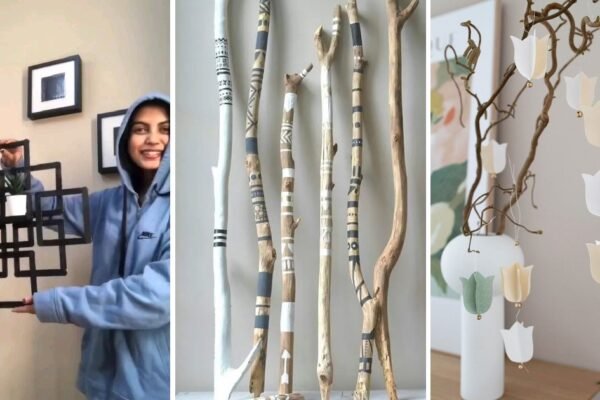
When a full chandelier feels too heavy for the room, a DIY branch-and-mason-jar fixture creates the same cozy vibe without overwhelming the walls. I actually made a version with thrifted jars and a driftwood branch, and it became the conversation starter at dinner. If you’re not into DIY, small pendant lights hung in a cluster offer a similar handcrafted look.
Vertical Plant Display

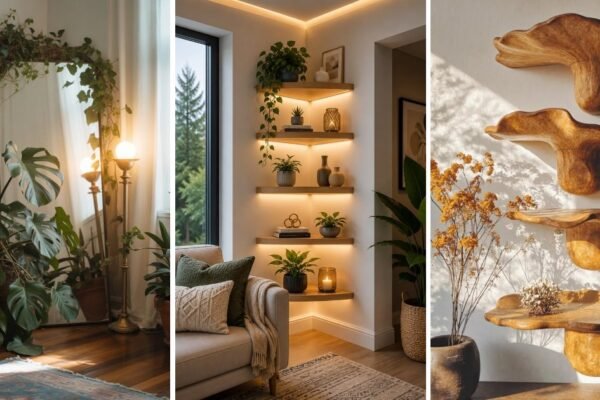
Greenery on the wall saves floor space and breathes life into a dining corner, which I adore because plants make everything feel fresher. You can stagger small planters vertically to draw the eye up and make ceilings seem taller. Remember to pick low-light plants if your nook doesn’t get direct sun, and rotate them regularly for even growth.
Light and White Elegance

Keeping the palette light with white chairs and minimal art helps small dining areas feel bright and airy rather than cramped. I swapped my dark chairs for lighter ones and it instantly felt less crowded, especially with a simple pendant overhead. This tactic is easy but powerfully effective when you want a minimalist, refreshed look.
Color Pop Window Scene

A bold wall color can be the only decor you need if you want a punchy, cheerful nook with minimal clutter. I painted one small accent wall in a rosy tone and stopped searching for frames because the color did the decorating work. Keep furniture neutral to let the accent wall shine without competing elements.
Textured Panel Art

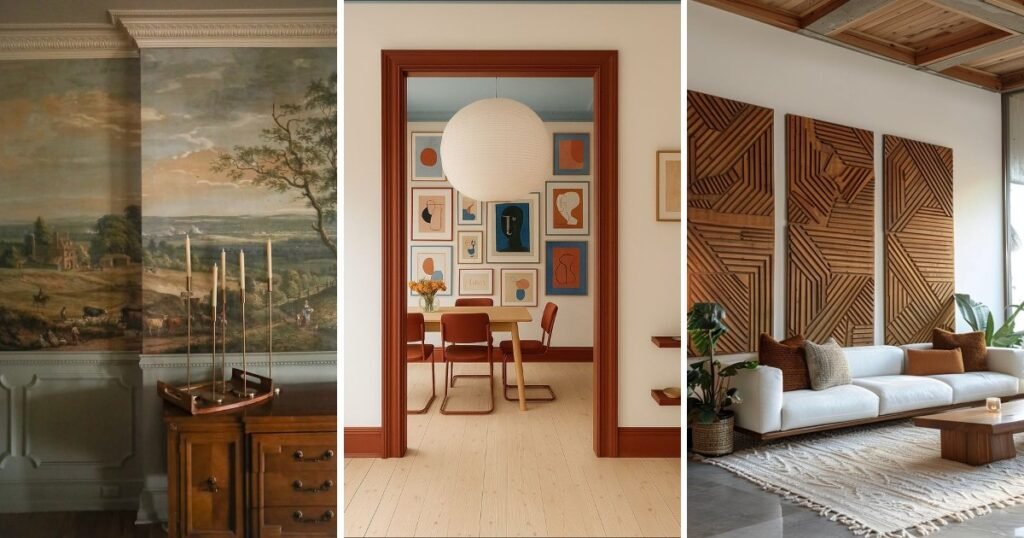
Layered wooden panels or textured wall art give depth without needing large pieces, which is great when floor space is at a premium. I like combining two different wood tones for contrast and it keeps things warm without adding visual clutter. Try mounting narrow panels vertically to emphasize height rather than width.
Single Art Accent

Sometimes one thoughtfully chosen painting near your dining table reads as intentional and chic, and it avoids the visual busyness of many small frames. I bought a single statement piece on sale and it instantly elevated my little space, no extra styling required. Position it at eye level for seated guests so it feels like part of the meal experience.
Symmetry With Storage

Flanking art with matching storage pieces like small dressers or narrow cabinets keeps the wall balanced and adds useful tabletop space. I paired two vintage chests with a central print and it felt purposeful while hiding all my overflow dinnerware. This setup works well in hallways that open into dining spaces too.
Art Through the Doorway

Think about sightlines – art you hang opposite a doorway becomes part of your home’s welcome and makes the dining area feel intentional from the first step inside. I hung a friendly, colorful print where guests first see it and suddenly my dining area felt connected to the rest of the apartment. Small investments here reward you every time the door opens.
Centered Statement Art

A single centered painting above your table gives a calm focal point that reads elegantly even in a narrow space. I picked a piece with warm tones to complement my wood table and it tied the room together instantly. Focus on scale – the art should be proportionate to the table rather than the entire wall.
Round Mirror Pop

A round mirror is magic in a tiny dining nook because it reflects light and gives the illusion of more space without visual clutter. I mounted a small brass-framed round mirror and noticed the room felt brighter immediately, especially during late afternoon. Position it opposite or near a window for maximum bounce.
Living Wall Cluster

A planted wall cluster adds texture and rhythm, and it practically decorates itself as plants grow and change. I once overwatered a trailing plant on a shelf and learned to place a saucer under planters to protect surfaces, so small tips matter. Mix pots, keep a consistent spacing pattern, and let the greenery soften the dining corner.
How to Actually Make This Work For You
Start by measuring your wall and table so you choose art that fits the scale – smaller walls need tighter groupings, larger walls can handle one bolder piece, and you should always hang art at a comfortable seated eye level. Try temporary hooks and paper cutouts before committing so you can see compositions live, and keep a consistent color or material thread across pieces to unify the look and avoid a chaotic feel.
How do I choose the right scale for art in a small dining area?
Choose pieces that are proportionate to the furniture – a good rule is art should take up about two-thirds to three-quarters of the table width when hung directly above it. If you prefer a gallery, keep frames relatively close together and use fewer pieces so the wall doesn’t feel crowded.
Can mirrors really make a small space feel larger?
Yes – mirrors reflect light and create a sense of depth which tricks the eye into perceiving more space. For dining nooks, a round or arched mirror can also act as a decorative focal point without taking visual weight from the room.
What lighting should I use to highlight wall decor?
Use warm, directional lighting like a pendant or a picture light to accent art without casting harsh shadows on the whole room. Layered lighting helps – combine an overhead fixture with wall or shelf lighting for a cozy, balanced feel.
How can I add greenery without making the area messy?
Opt for low-maintenance plants and wall-mounted planters or narrow shelves to keep floors clear, and group plants with a consistent pot style to avoid visual clutter. Make sure planters have proper drainage or use trays to protect surfaces from water damage.