I have been on a lifelong hunt for little wins that make home life feel calm and stylish, so I get excited about practical home organization ideas that actually stick. I talk about this stuff like coffee with a friend because clutter stresses me out and a smart shelf system genuinely makes my day easier.
I wrote this because I know how overwhelming it is to stare at a messy pantry or an unruly linen closet and not know where to start, and I wanted to share real solutions I’ve tried so you don’t waste hours guessing. I moved three times in five years and learned a ton from trial and error, so most of these tips come from my own messy moments turned tiny victories.
Read on and you’ll get 11 simple, warm, and practical ideas you can try this weekend to make your place feel calmer, plus tips for making each idea actually fit your life. I promise they’re doable even if you’re short on time.
These 11 Home Organization Ideas Will Transform Your Space
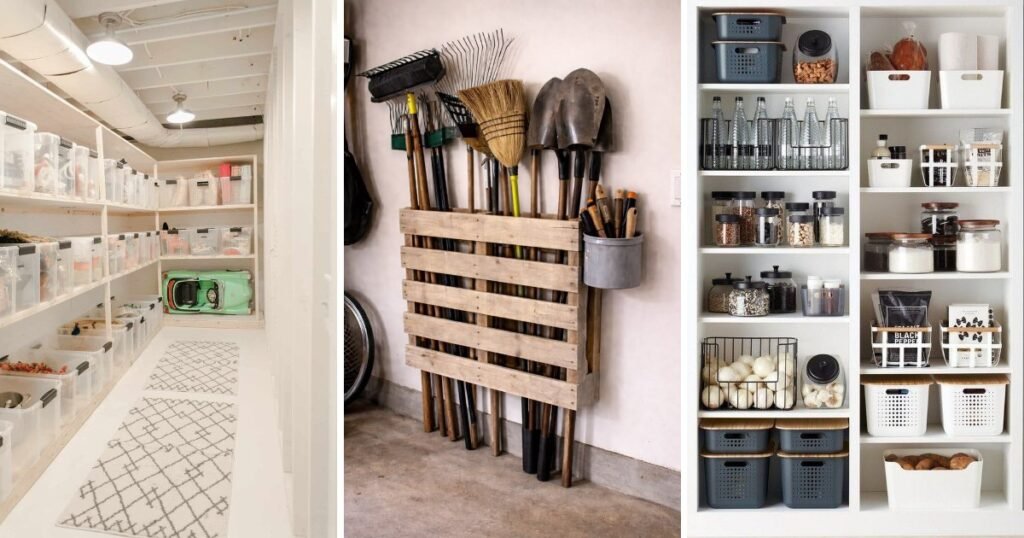
Shelf-and-Bin Haven

I love how a whole wall of shelves instantly creates a calm rhythm in a room, and using bins on top makes the space feel curated rather than chaotic. If you’re someone who keeps a million small containers like I do, corral them into matching bins and label the front so you stop wasting time searching for lids. When I added one shelf like this to my mudroom everything felt lighter – it was that instant, inhale moment you get when things are actually in their place.
Spice Rack Upgrade

A neat spice rack in the middle of the kitchen changed how I cook because everything is in reach and I stopped buying duplicates, which saved money and sanity. Try grouping spices by cuisine or frequency of use and put labels on the top for easy jar-finding, especially if you have shallow drawers or a narrow counter. Once I standardized my jars it became a tiny ritual to refill and tidy them on Sundays – it’s oddly satisfying and keeps the clutter from creeping back.
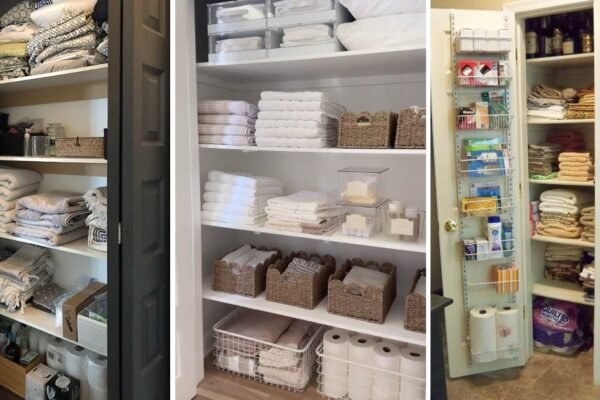
Folded-Linen Closet

I can’t recommend folded linen stacks enough because they look hotel-chic and save shelf space, and folding everything consistently feels like a tiny act of self-care. Use shallow baskets for extra pillowcases and label them so you can grab what you need without unfolding half the pile, which is a hack I learned from a weekend organizing sprint. The first time I organized my mom’s linen closet she cried a little because she hadn’t felt this organized in years, and that memory still makes me smile when I fold towels.
Open Cabinet Styling

An open cabinet forces you to be intentional because everything is on display, so only keep the items you use or genuinely love – this rule saved my kitchen from becoming a catch-all. Try grouping items by color or purpose and rotate seasonal items to the back, and you’ll be amazed at how tidy your space looks even with fewer upgrades. I learned to edit ruthlessly after one too many cluttered mornings, and the calmer counter was worth every minute of decision-making it took.
Pan and Pot Order

Stacking pots and pans with organizers or vertical dividers turned my chaotic cook cabinet into something I actually wanted to open, and it cut down the clanging drama when I grab a pan. Place the most-used pieces at the front and use liners so metal doesn’t scratch, which keeps everything happier for longer. I once fixed a rattly pile by adding inexpensive dividers, and that tiny change made dinner prep feel three times faster.
Cozy Reading Nook Storage

A living room with built-in shelves and smart storage beside a staircase feels curated and livable, and adding lower baskets keeps kid-friendly items reachable while keeping the top shelves pretty. Mix books with decorative objects and a few baskets for throws, and you’ll have a space that invites relaxation without looking messy. I rearrange my favorite reads seasonally, which makes the nook feel new every few months and gives me an excuse to actually sit down with a book.
Baskets and Stylish Bins

Baskets are the easiest way to make a shelf look organized without sacrificing function because they hide the mess but still feel woven into your style, and I use a few sizes for different categories. Label them subtly with tags or a small chalkboard label so guests don’t have to guess what’s inside, which helps maintain order even when life gets busy. When my partner and I first moved in together we used mismatched boxes and quickly learned that swapping to coordinated baskets saved our sanity and our relationship on laundry day.
Garden Tool Crate

A wooden crate for gardening tools is charming and practical because it corrals everything you need for outdoor work and can be carried like a caddy to the backyard, which is perfect for quick planting sessions. Pair it with hooks for larger items and a small shelf for seeds and gloves to keep the mud from wandering into your home, and you’ll stay organized through every season. I keep one by the back door and honestly it’s saved me from twenty frantic searches for trowels when spring fever hits.
Utensil Counter Display

Stashing wooden utensils in a pretty jar on the counter keeps the tools you use daily within reach and turns them into decor, and a small shelf nearby can hold soap and a hand towel for a tidy sink zone. Choose a jar that matches your kitchen palette so the counter feels styled instead of cluttered, which makes cleaning up at the end of the night faster and more pleasant. I switched to a single curated jar and it made my tiny kitchen feel thoughtful rather than overcrowded.
Dish Cabinet Perfection

An organized cabinet filled with dishes and utensils makes meal prep smooth because everything has a home and is easy to reach, and stacking plates by size saves space in smaller kitchens. Try clear bins for small items like measuring spoons and keep dinnerware grouped by frequency of use, which reduces the mental load when you’re trying to cook quickly. After consolidating my dishes into a single cabinet I noticed fewer panicked searches during weeknight dinners and more time actually enjoying food with friends.
How to Actually Make This Work For You
Start small and pick one area you use every day, because quick wins build momentum and make it easier to tackle the next shelf or drawer; commit to keeping your chosen system for a month before you change anything so you can see if it truly fits your routine. Use consistent containers and labels so maintaining order becomes trivial, and involve anyone else who lives with you in the decision so the system feels fair and sustainable. Finally, schedule a short 10-15 minute weekly tidy-up to reset the small stuff before it turns into a weekend project.
How long will these projects take?
Most of the ideas can be done in an afternoon if you shop smart and focus on one zone at a time – think 1-4 hours depending on the scale. Planning and small, consistent maintenance after the initial setup are what keep them working long-term.
Do I need to buy expensive organizers?
No – many of the best solutions are inexpensive like baskets, jars, and labels, and repurposing boxes or crates works just as well. Investing a little in staples that match your lifestyle can help, but creativity often beats cost.
How do I keep family members using the new system?
Make the system intuitive by labeling and placing everyday items at accessible heights, and ask for small commitments like returning things to their spot for a week to form the habit. When people see the benefit of smoother mornings or easier meal prep they’re more likely to participate.
What’s the easiest area to start with?
Begin where you spend the most time – kitchen counters or a linen closet are usually the simplest and most rewarding spots to tackle first. A visible change in those areas boosts motivation to address trickier zones like garages or basements later.