Disclosure: As an Amazon Associate we earn from qualifying purchases. Some links on this page may be affiliate links — if you click through and make a purchase, we may receive a small commission at no extra cost to you.
Okay bestie, can we talk about how a tiny yard still deserves big personality – especially when you’re hunting for house fence design for small spaces that actually makes the whole place look intentional? I get so excited about fences because they set the tone before anyone even rings the bell.
I wrote this because I wasted hours scrolling for ideas that fit a compact lot and didn’t cost an arm, and I want to save you that scrolling headache. I’ve tested paint colors, picked panels with my neighbor, and even wrestled a gate into place on a wet Saturday morning so I can promise these are realistic ideas you can use.
Read on and you’ll get approachable designs, quick tips, and the little tricks I learned the hard way so your small outdoor space feels larger and more like you.
These 12 house fence design for small spaces ideas you’ll love
Cottage Field Charm

This image gives me total cottage vibes and shows how a simple, low fence can gently frame a property without shouting, which is perfect for small yards where you don’t want to block views. I love fences that feel like an invitation – they mark space but keep the scene airy and open. If you have a little patch of lawn, consider pairing a soft picket or low stone wall with taller plants behind it to create depth without crowding.
Window Privacy Hack

Using fence height and texture to protect a street-facing window is such a clever move and this photo makes that idea feel calm and practical. I once added a slender slatted screen beside my front window and it gave me privacy while still letting in morning light. You can replicate this by installing narrow vertical slats a couple of feet from the window and planting narrow shrubs between the fence and the glass for a layered, cozy look.
Tree-Side Classic

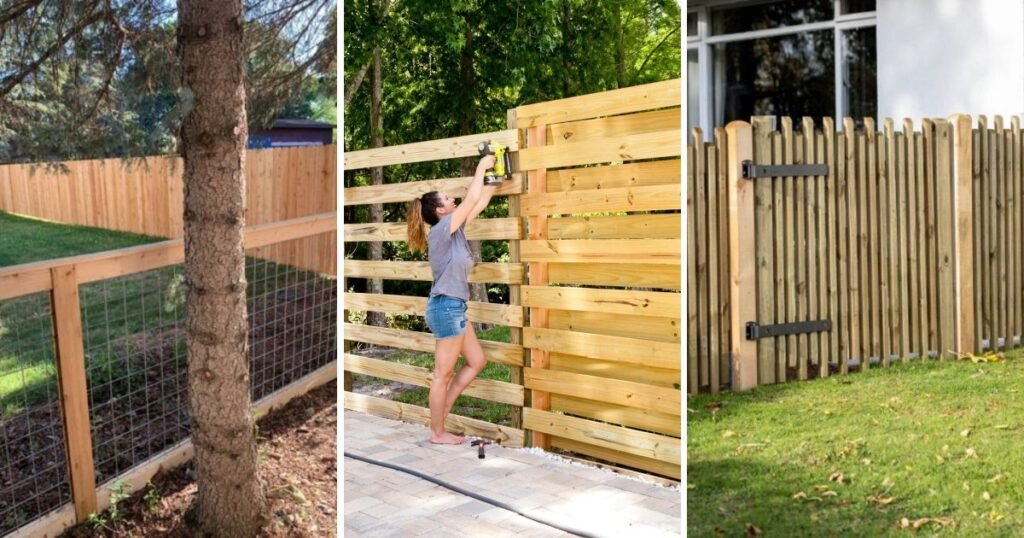
I love how a small fence next to a tree can turn an awkward corner into a focal point, and this setup proves that natural anchors work wonders in compact yards. You can tuck seating or a potted garden around the base to maximize that small footprint. When I had a sapling in my sideyard, I built a half-height fence as a backdrop and it suddenly felt curated instead of cluttered.
Sleek Black Border

A slim black fence is such an elegant choice when you want a modern edge without overpowering a tiny plot, and it also hides dirt better than a pale finish. I chose black for my driveway gate because it felt chic and low-maintenance, and people complimented it immediately. Consider pairing black metal with warm wood posts or greenery to stop the look from feeling too stark and to add tactile contrast.
Weekend DIY Vibes

This photo screams practical and a little bit triumphant because it shows that a weekend of effort can totally transform your front boundary. When I was painting my fence I learned to pre-drill and use clamps, which saved me from wobbling panels and lots of cursing. If you’re nervous about tools, start with a simple panel swap or fresh stain so you can build confidence before tackling a full gate installation.
Wood + Metal Mix

Slatted Wall Accent

A white wall with wooden slats adds warmth without stealing space, and the vertical emphasis can make your boundary appear taller without feeling closed-in. I used a similar trick on a small courtyard wall to create a breathing space for trailing plants and a slim bench. If you want a neat, Scandinavian feel, keep slat spacing even and use a lighter stain so the wood contrasts but still feels airy.
Stone + Wood Rhythm

Alternating stone bases with wooden panels creates a rhythm that feels grounded and luxe, which is especially nice when your lot is compact and you want to inject texture. I don’t always recommend heavy materials for every small yard, but using stone sparingly as anchors at intervals gives a sense of permanence without the cost of a full masonry wall. You can mimic this with stacked stone veneer and prefabricated wood panels to keep installation manageable and less heavy on the budget.
Sideyard Slatted Screen

If your house hugs the lot line, a slatted screen along the side can make a narrow path feel purposeful and stylish rather than cramped. You can let climbing vines weave through the slats so the fence softens over seasons and adds life to a tight corridor. In my small townhouse, a slatted divider created privacy for our patio while still letting light spill through, and it felt like winning small-space magic.
Modern Gate Minimalism

When you go modern with a clean black gate and white walls, the contrast makes a tiny frontage read as intentional and artful instead of small and cramped. I got a neighbor compliment once and honestly felt like the whole block upgraded, which is a weirdly satisfying feeling. Keep lines simple, hardware minimal, and consider a self-closing hinge to keep the gate functional and tidy for everyday life.
Green Front Border

A short wooden fence with a strip of grass and low bushes is basically the classic for a reason because it makes entry areas feel green and welcoming without needing a big yard. You can pick evergreen shrubs for year-round structure or mix in seasonal blooms for color bursts that distract from limited square footage. When I planted neat boxwood along a low fence, passersby told me it looked polished, and that little ego boost is part of why I love front borders so much.
Brick Gate Statement

A compact brick wall with a pair of black gates can read timeless and high-end even when it only runs a few feet, which makes it a great pick when you want presence without enclosure. I considered a full brick fence for my terrace but chose brick pillars with metal panels instead to keep light and airflow, and it struck the right balance. If you like a historic or cottage aesthetic, add a single lantern or climbing rose to soften the structure and make it feel loved rather than formal.
How to Actually Make This Work For You
Start by measuring your sightlines and walk paths so you can prioritize where privacy matters and where open views should stay, then choose materials that give the right balance of scale and texture for your lot – light wood and slats for airiness, metal or stone for definition. Think about maintenance honestly because a gorgeous fence that needs daily upkeep will become a regret, and plan planting and paint choices that will age gracefully so your small space keeps feeling intentional over time.
How tall should a fence be for a small yard?
Most small yards benefit from low to medium heights around 3 to 5 feet for front boundaries to preserve openness while still defining space – taller panels of 6 feet work well in back yards for privacy. Consider local codes before you start because many neighborhoods have height limits and setback rules to follow.
What materials are best for narrow spaces?
Lightweight materials like slatted wood, metal frames with horizontal slats, or thin stone veneers help keep sightlines open and avoid making the space feel boxed in. Combine materials sparingly to add interest without clutter, and use plantings to soften harder edges so the yard breathes.
Can I install a fence myself in a small front yard?
Yes, many small fence projects are suitable for DIY if you have basic tools and a helper to keep posts plumb, but start with a small test section and be realistic about your skill level. For gates, uneven ground, or electrical features, hiring a pro can save time and prevent mistakes that are costly to fix.
How do I make a small fence look high-end?
Focus on clean lines, quality hardware, and cohesive color palettes – a refined paint or stain and uniform fasteners make even modest fences feel intentional. Adding a few well-chosen plants, a simple gate latch, and good lighting turns modest budgets into polished presentation.