Disclosure: As an Amazon Associate we earn from qualifying purchases. Some links on this page may be affiliate links — if you click through and make a purchase, we may receive a small commission at no extra cost to you.
I have a tiny confession – I love the challenge of turning a shared kids’ space into something that feels both playful and organized, so these kids room divider ideas are my current obsession. They make small rooms feel like two whole worlds, which is the dream when space is tight and personalities are big.
I put this together because I keep getting asked for practical, pretty ways to separate play and sleep without tearing down walls, and I’ve tried a lot of these setups myself. Some of my favorite solutions came from late-night Pinterest scrolling and one DIY afternoon when a bookshelf and a curtain totally saved a sleepover situation.
You’ll get a mix of real-life ideas, styling tips, and the kind of little hacks that actually work in busy family life.
These 14 Kids Room Divider Ideas Will Transform Your Space
Cozy Bed + Desk Corner

Placing a low divider between a bed and a desk creates an intimate study nook without blocking light, and I love how this keeps bedtime calm. You can add a small lamp and a felt pocket organizer on the desk side to keep supplies at arm’s reach. I once used a rolled rug as a soft barrier when cousins stayed over and it worked like a charm.
Bunk Bed Study Nook

Using the corner under a bunk or beside it as a study zone is genius for saving square footage, and I appreciate how the desk feels tucked away and protected. Add a fabric panel or a shelf unit as a side divider to shield the study from playtime chaos. When we had a bunk at home, creating that small refuge completely changed how focused homework time felt.
Playful Shutter Wall

Green shutters fixed to a wall are such a whimsical way to create a visual boundary without losing personality, and kids love the house-like vibe. You could hinge them or leave them decorative, depending on whether you want an adjustable opening between spaces. I remember painting old cabinet doors and turning them into a similar playful screen for my niece – she felt like she had a secret club house.
Twin Beds Separated

Placing a slim divider like a bookshelf between twin beds gives both kids their own space and a handy place for bedtime stories. Choose a low shelf so visibility and light stay balanced across the room. When siblings fight over drawer space, that small physical boundary can make routines smoother.
Empty Room, Endless Options

An empty room is a blank canvas for dividers – freestanding panels, rug zones, or modular shelves all work beautifully against white walls. Think about sightlines and play patterns before you buy; you want flow, not a maze. If you’re the indecisive type, temporary options like fabric panels give you flexibility to experiment.
Playroom With Art Nook

Designating an art nook with a low divider keeps paint and glitter away from sleeping areas while encouraging creativity in a defined corner. Use washable mats and a clear bin on the divider for quick tidy-up sessions. I once set this up for a weekend craft marathon and the contained mess meant the kids could make a masterpiece without me panicking.
Sleek Bedside Bookshelf

A tall bedside shelf makes a perfect partition while keeping books and nightlights handy, and it’s a favorite trick when you want storage to double as a divider. Anchor it to the wall for safety and style it with baskets to hide small toys. You’ll love how it instantly reads as intentional design instead of clutter control.
Central Study Island

Putting a desk or small island in the middle of the room divides circulation and creates a natural boundary between sleep and play zones. Style one side with baskets and the other with a low rail for hanging outfits or bags. I sometimes use this approach in multipurpose rooms and it surprisingly boosts morning efficiency.
Dual Ladder Shelving

Ladder shelves are versatile dividers that add vertical storage and a touch of charm, and pairing two creates a see-through partition that still feels open. You can style them with crates, plants, and little nightlights to reflect each child’s personality. One summer I leaned extra ladders against a wall to corral gear during a sleepover – it worked better than expected.
Window-Facing Ladder Work

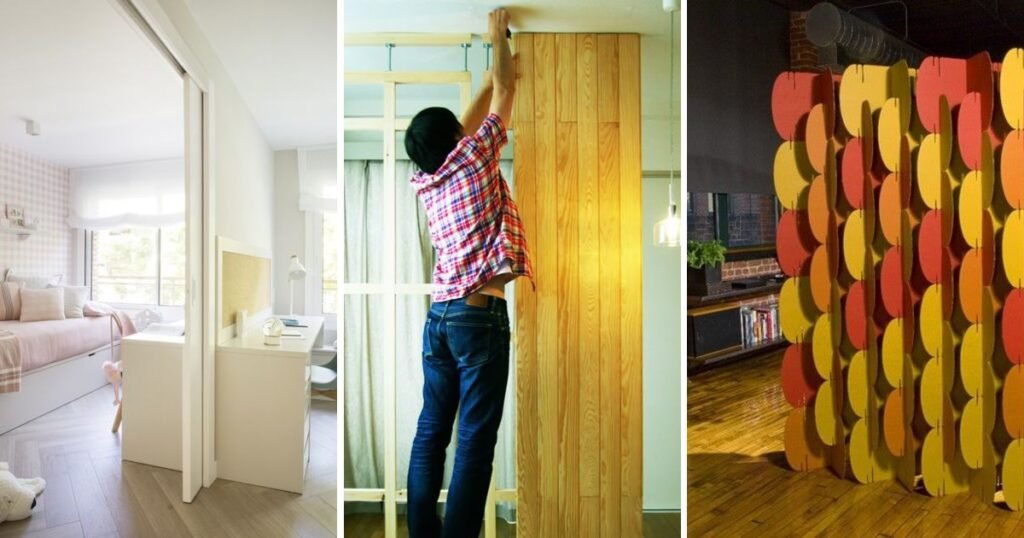
If your divider idea requires installation, a little ladder time near the window will pay off because natural light is everything for a play or study area. I recommend measuring twice and having small helpers hand you tools so the process feels fun instead of stressful. Safety first – always secure whatever you install so it won’t wobble when kids play nearby.
Bed Desk Combo Zone

Combining the bed and desk in one zone while separating it with a screen or shelf keeps everything functional and cozy, and I love that it feels curated. Choose a divider that complements the furniture so the room reads cohesive instead of fragmented. You’ll find this arrangement especially useful if your child needs a calm place to do homework after school.
Doorway Rug Transition

A rug at the entry of a play zone is a simple, soft divider that signals “this space is for play” while leaving sightlines open. Layer a smaller rug on top for texture, or use a round rug to soften corners. This trick saved me from overcomplicating a room once when we had very little furniture to work with.
Wood Plank Visual Divider

Vertical wood plank dividers give a modern, warm look while providing a semi-private screen that doesn’t feel heavy, and you can get creative with spacing for light flow. Paint the planks or leave them natural to match your room’s vibe. I’m a fan of how the wood texture can anchor colorful kids’ decor without competing with it.
Minimal White Panel Divider

A simple white panel is a lifesaver when you want clean lines and the illusion of more space, and it’s easy to style with decals or magnetic paint for playtime. Keep it lightweight so you can move it as needs change. You’ll appreciate how a neutral screen allows bright toys and bedding to pop without clashing.
Classic White Folding Screen

A folding screen is the ultimate flexible solution – fold it away for a big play area or angle it to form a cozy reading corner. I recommend one with light panels so the room doesn’t feel closed off. For renters, it’s a perfect non-permanent option that still looks intentional and stylish.
How to Actually Make This Work For You
Start by watching how your kids naturally move through the room for a few days and place your divider where it won’t interrupt their flow, and choose a divider height that balances privacy with supervision. Consider multifunctional pieces like shelves that serve as boundaries and storage so you’re not wasting valuable square footage, and test temporary options like curtains or folding screens before committing to built-ins. Finally, involve the kids in the styling and storage choices so they feel ownership – simple labels, baskets, and color-coordinated zones make routines easier and help keep the room tidy over time.
What divider height works best for kids?
Choose a divider that is low enough for you to check in easily but tall enough to create a defined space – typically between 3 and 5 feet, depending on room scale. If you need more separation, taller units anchored to the wall are safer and more stable.
Can dividers be used in small rooms?
Yes – lightweight or see-through dividers like ladders, low shelves, or curtains can create zones without closing off the room. Use rugs and lighting to reinforce the separate areas and keep the space feeling open.
Are DIY dividers kid-friendly?
DIY dividers can be very kid-friendly if you use rounded edges, secure anchors, and non-toxic finishes, and test stability before use. Simple DIY projects like painted crates stacked into a low shelf often perform well and add a personal touch.
How do I make dividers look stylish?
Style dividers with baskets, coordinated bins, and a few decorative items that reflect each child’s interests to keep the look intentional and cohesive. Neutral divider colors paired with pops of color in textiles or wall art create a balanced, playful aesthetic.