15 Best Living Room Divider Ideas That Look Expensive

Disclosure: As an Amazon Associate we earn from qualifying purchases. Some links on this page may be affiliate links — if you click through and make a purchase, we may receive a small commission at no extra cost to you.
I can’t stop thinking about living room divider ideas lately – I moved into a slightly awkward open-plan space and suddenly every corner felt like a choices quiz. I wanted solutions that feel expensive without actually breaking my budget, and that little obsession is how this post was born.
I’ve tried a few of these in my apartment – some were instant wins and one was definitely a “what was I thinking” moment (spoiler: it involved too many succulents and not enough light). I’m sharing what worked, what didn’t, and the small hacks I picked up along the way.
Scroll through these 15 ideas and you’ll find practical options whether you rent, own, or are pretending you own a tiny townhouse – plus tips so you can actually make one of these work for your living room.
15 Living Room Divider Ideas You’ll Actually Use
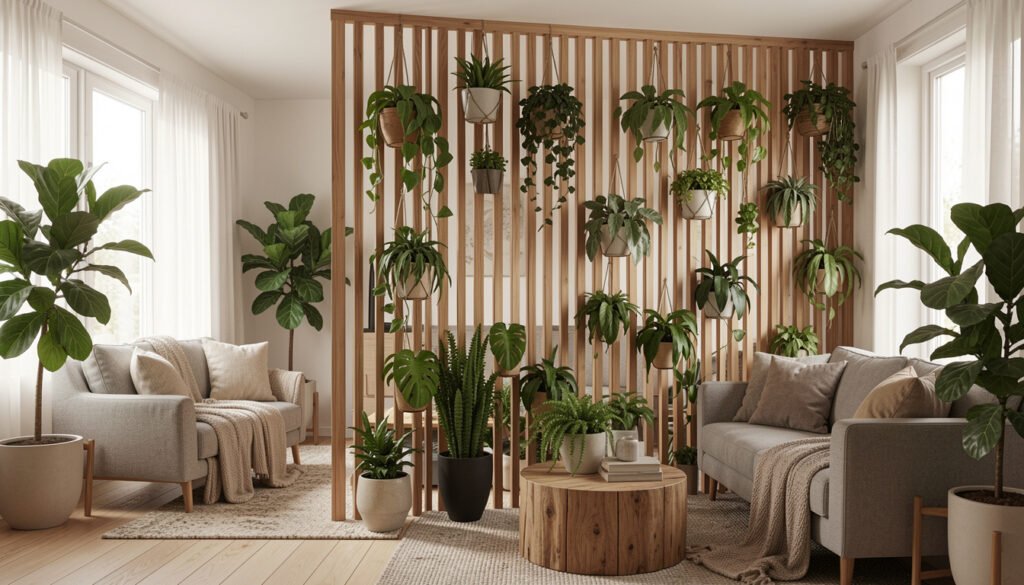
Lush Plant Partition
This living wall vibe makes a living room feel like a tiny urban jungle – I love how plants soften sight lines while letting light through. I once stacked a handful of mismatched pots on a ladder shelf and it felt surprisingly intentional after an afternoon of rearranging. If you’re like me and kill a plant or two, start with hardy varieties – trust me on this one.
Flower-Filled Divider
Use a mix of flowers and low furniture to create a cheerful separation between living and dining zones. I put a vintage console behind my sofa once and filled it with fresh blooms every weekend – it instantly made guests think I had my life together. Tiny disclaimer: fresh flowers are a commitment, but they do wonders for the mood.
Bookshelf Room Break
A bookshelf that faces both spaces is classic and functional – you get storage and separation in one. I rearranged my own shelf three times until the styling felt natural – silly, but it matters to me. Bonus: hide clutter behind baskets and keep display shelves tidy for that “designed” look.
Cozy Wood Shelf Split
Open wood shelving on a warm floor looks effortlessly expensive and anchors both areas nicely. I love how wood grain brings warmth – in my tiny living room it made the whole place feel cozier, especially during evening movie nights. You can style it with books, ceramics, and a few plants for balance.
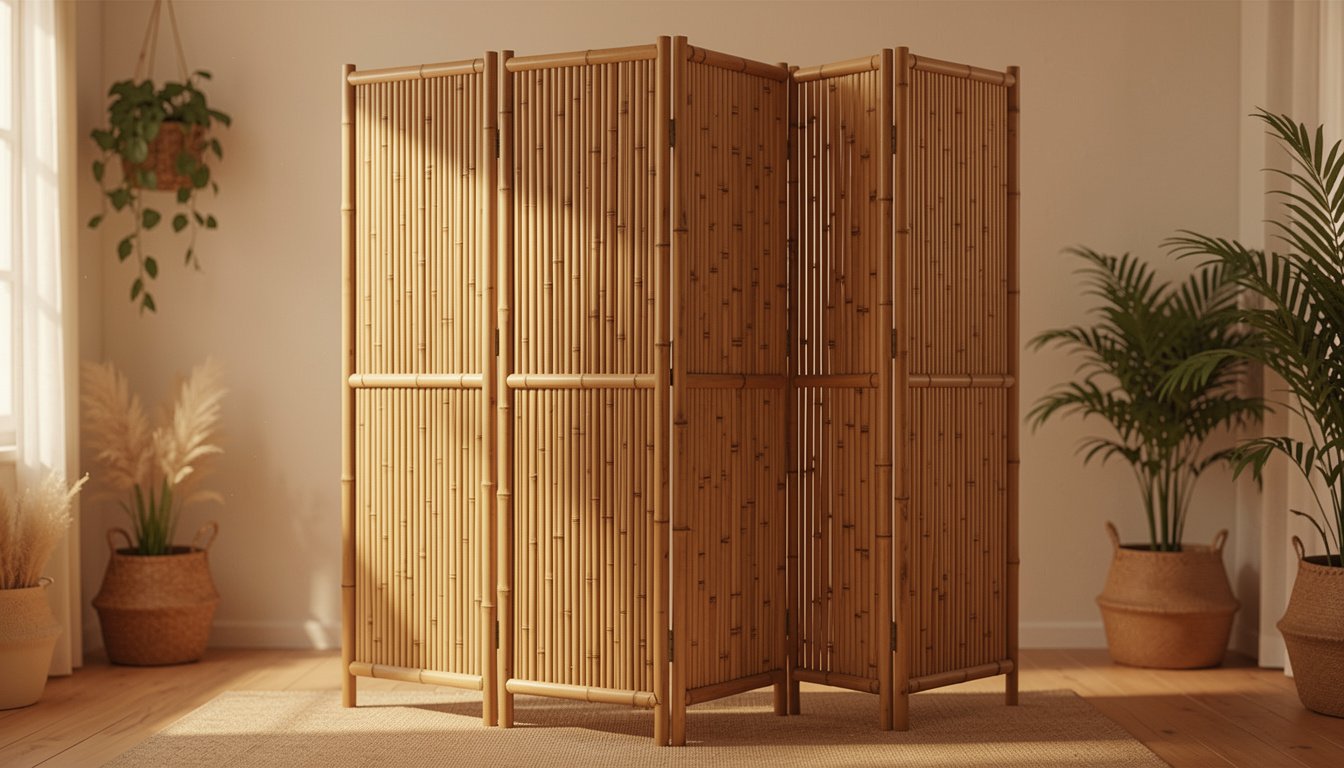
Textured Stick Screen
Vertical wooden sticks or slats add texture and let light move between zones without feeling closed off. I tried a DIY version with dowels once – it was mildly chaotic but also so characterful, and I actually kept it for months. If you want privacy without heaviness, this is a great compromise.
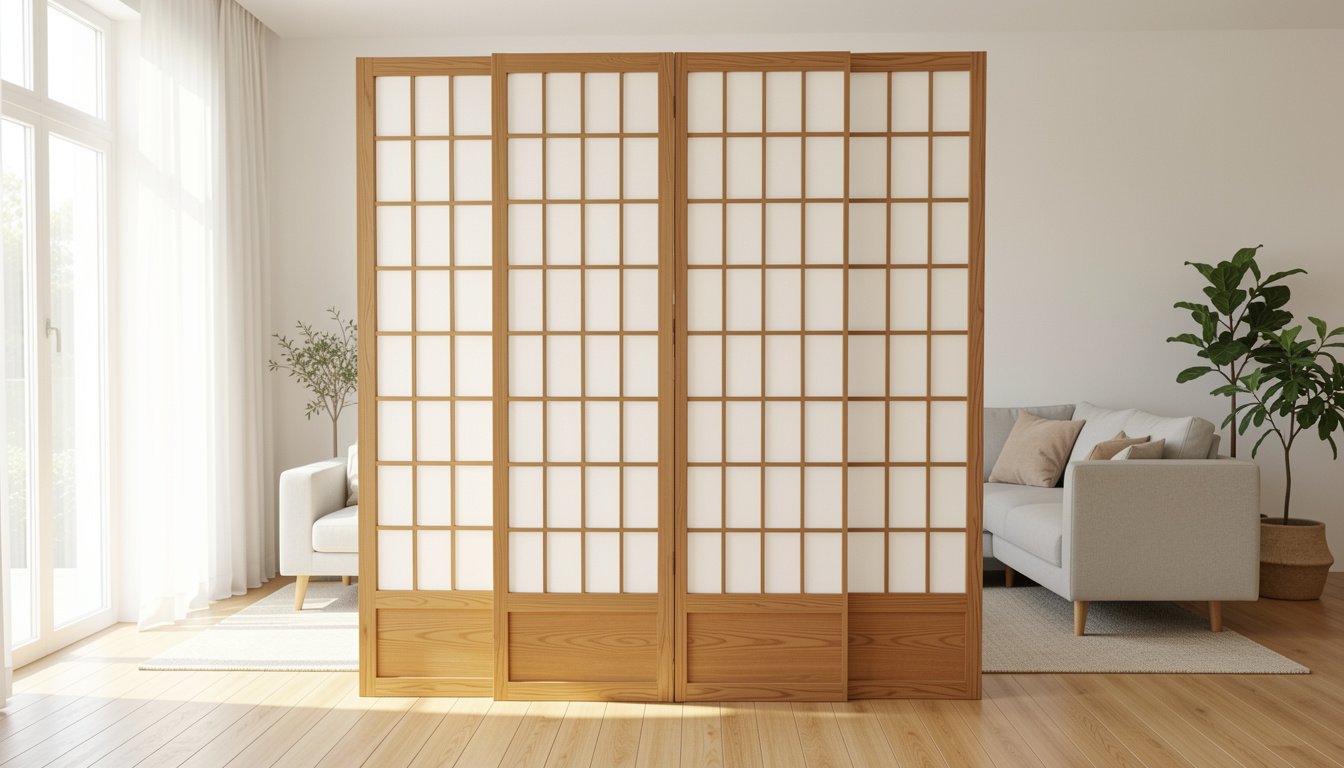
Glass Door Separation
Sliding glass doors feel polished and let natural light flood both areas while still creating distinct rooms. We installed a sliding panel in a rental-friendly frame once and I was shocked at how grown-up it made our tiny apartment feel. Pro tip – frosted or textured glass adds privacy while keeping the airy vibe.
Green Curtain Divide
Hang a lush curtain to create a softer divide – it’s budget-friendly and super flexible if you change your layout a lot. I used a bold green curtain for a season and it felt like a costume change for the whole room – dramatic, in the best way. Curtains are also perfect if you rent and need non-permanent solutions.
Soft Light Divider
Floor lamps and clustered lighting can visually separate a lounge area without any construction – and they add atmosphere. One winter I swapped overhead lights for lamps and suddenly our living room felt like a cozy café. Lighting is underrated – it changes everything, seriously.
Simple Couch & Lamp
Sometimes the sofa alone is the divider – back it with a skinny console table and a lamp for distinction. I put my plants and my keys on the console and it makes the living/dining split feel deliberate. Small gestures like that keep the flow without cluttering the space.
Glass Block Wall Screen
Glass blocks are a retro-modern way to let light through while hinting at separation – they look pricey but can be surprisingly affordable to install. I once stayed in an Airbnb with a glass block partition and it felt like a secret designer hack. If you’re doing a more permanent update, this is a statement that pays off.
Dining Shelf Divider
A low bookshelf behind the dining table with plants on top draws a soft line between areas and feels intentional. I used a row of trailing plants once and it made the space feel alive – but watch for watering spills, oops. Low dividers are great if you want sightlines to remain open but defined.
Slatted Wood Feature
Wood slats mounted vertically on the wall create a modern, architecturally interesting divider without building new walls. I actually painted slats in my friend’s apartment and it transformed the space – painting saved tons of money and added personality. This trick works especially well in spaces with natural wood floors.
Gallery Wall Partition
A curated gallery wall can act as a focal dividing feature – it says “this is the living side” without fences or shelves. I have a small gallery that people always comment on when they visit; arranging it felt like solving a fun puzzle. Mix frames and art sizes so it feels collected-not-perfect.
Warm Wood & Decor
Use warm wood furniture and layered decor to suggest different zones – rugs, coffee tables, and a console do the heavy lifting here. I layered rugs once and realized how much texture defines a space – little rule: don’t be afraid to overlap. This approach feels curated and lived-in at the same time.
Black Shelves Minimal
Strong black shelving against light walls creates a bold, modern separation that reads expensive and intentional. I once painted a thrifted shelf black and it looked like a designer piece overnight – cheap thrill, highly recommended. Keep styling minimal to maintain that clean, intentional vibe.
How to Actually Make This Work For You
Start by thinking about function: do you need storage, privacy, or just a visual cue that the living area ends? Pick one main goal and let that guide your material choice – if storage is key go with shelving, if light matters choose slats or glass. Next, prioritize scale and circulation – measure where people walk so your divider doesn’t become a tripping hazard or feel like a wall. Finally, layer styling slowly – start with basics like a lamp, a plant, and a framed photo, then live with the setup a week before buying more decor; this prevents impulse clutter and helps the space evolve naturally.
Do room dividers work in small living rooms?
Yes – but choose lightweight, open pieces like narrow shelves, slatted screens, or curtains so the room still feels airy. Avoid bulky furniture that blocks light and flow.
Are DIY dividers a good idea?
Absolutely – many DIY options like painted slats, thrifted shelves, or fabric panels look custom without the price tag. Just measure carefully and use sturdy materials if the piece holds weight.
How much privacy can I expect from these options?
Privacy varies – curtains and solid screens give the most, while slatted or open shelving offer minimal privacy but maintain light and connection. Mix and match if you need both privacy and openness.
What should I consider before buying a divider?
Think about scale, material, and your long-term plans – renters will want non-permanent solutions, homeowners can invest in built-ins. Also consider maintenance like dusting shelves or watering plants so it stays beautiful without stress.