Okay, friend, I have been bookmarking modern house fence design ideas like crazy lately because the front of my house finally feels like it needs a personality upgrade. I love how a simple fence can change the whole vibe of a place and make your curb feel intentional instead of thrown together.
I wrote this because I kept getting asked where I find inspiration – and honestly I learned the hard way by trial and error on my own small renovation. I want you to skip the panic and pick a style that actually suits your home and daily life.
Read on and I promise you will leave with practical ideas, style options, and a few real-life tips I’ve picked up while experimenting on my own street.
These 20 modern house fence design ideas to transform your curb appeal
Chic Black and White Slats

This look feels modern but still approachable, with white framing and contrasting black slats giving a crisp pattern to the yard. I adore how the contrast reads from the street and makes a small front garden feel curated. If you like clean lines but want some softness, add low shrubs in front so the fence doesn’t feel too stark.
Front Yard Discovery Moment

This one caught my eye because it feels like a real moment – someone noticing a detail you might otherwise miss, which is how I want you to approach your fence choices. You can pick elements that speak to you as you walk the property, like a gate latch or post cap that becomes a tiny statement. Make sure the material you choose holds up to whatever weather you get, since those little details matter over time.
Classic White Picket Charm

Even in modern contexts, a white picket fence can read refreshed instead of cliche when paired with minimal landscaping and neutral paint tones. I always think of this style as the friendly greeting of a home – it says welcome without being flashy. If privacy is a concern, you can raise picket spacing or plant taller hedging behind it for more screening.
Sleek Metal Slat Fence

This mix of white frame and metal slats gives you that industrial-chic edge without feeling cold, and it’s surprisingly low maintenance. I used a similar concept on a little boundary at my old apartment and loved that it stayed clean-looking through winter. Try a darker metal tone if you want the fence to recede and let garden planting shine instead.
Cozy Garden Living Nook

This one shows how a wooden fence becomes part of outdoor living, not just a boundary – it creates a cozy backdrop for seating and planters. I picture warm string lights and a rug in that space, and it makes me want to host an evening with friends right away. If you’re building something similar, choose rot-resistant wood or composite so it ages gracefully.
Black Gate, Sweet Lawn

I love how a bold black gate anchors that tidy patch of lawn and feels both modern and a little formal in the best way. You can add a matching mailbox or house numbers to make the look cohesive. When I hunted for a gate for my place, matching metal finishes across elements made the whole front feel curated and thought out.
Blooming Metal Fence

This fence proves that metal with climbing plants can be soft and welcoming instead of industrial, especially against a warm brick wall. I always recommend planting climbers that won’t overwhelm the structure in a single season so you have time to see the effect. If you add planters in front, they’ll shelter seedlings and create depth between the street and the fence.
Utility Edge with Character

Sometimes fences have to coexist with practical things like utility boxes, and this shows how to make that edge intentional instead of neglected. You could mask functional elements with a low fence, decorative screen, or coordinated planting so everything looks deliberate. Remember that accessibility is key – keep service panels reachable so you avoid future headaches.
Minimal Streetfront Appeal

This calm street view reminds me that sometimes less is more: a low fence and tidy lines let the architecture do the talking. You might choose materials that echo the building’s facade so everything feels cohesive without competing. For renters or folks who want flexibility, consider removable planters that still give structure without permanent change.
Country Truck and Rustic Fence

This image has a rustic energy that pairs well with rough-sawn wood fencing and natural landscaping for a welcoming countryside feel. If you have a larger property, lean into weathered materials and native grasses that are easy to maintain. I love imagining an autumn weekend here, with the fence framing the changing colors and a cozy front porch vibe.
Sleek Black Front Fence

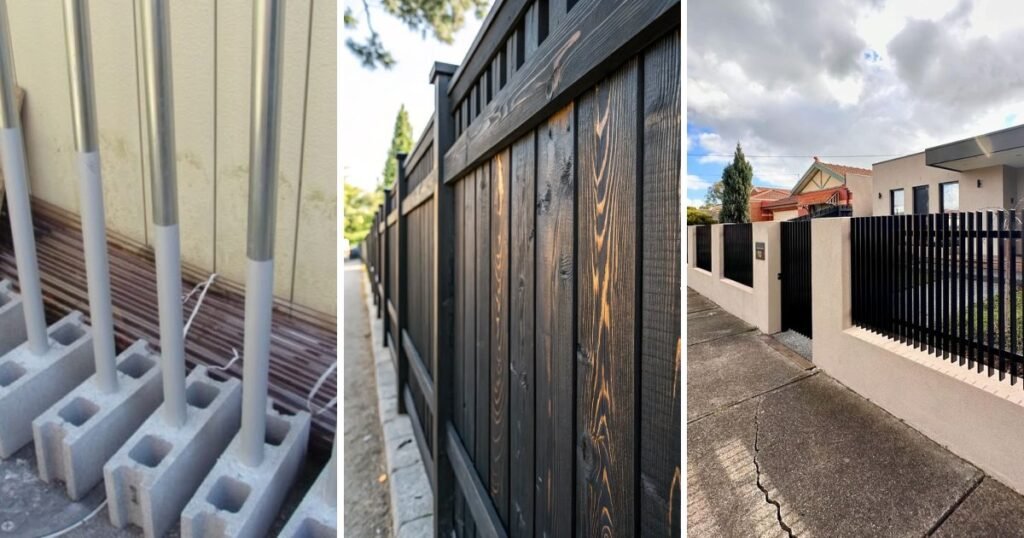
A black decorative fence like this reads classic and modern at once, especially against pale siding and crisp trim. You can play with proportions – shorter for an open feel, taller for more privacy – and either works if the finish is consistent. My neighbor used the same finish across the gate and mailbox for a pulled-together entrance that felt expensive without the price tag.
Unexpected Boarding Moment

Okay, this one is more about a moment than a fence, but I love it for inspiration on functional barriers and gating around transit or shared spaces. Think of fences as part of a sequence you experience – a gate, a short fence, then a walkway – and design each piece to lead you forward. When you plan circulation, you’ll avoid awkward cut-throughs and keep landscaping intact.
Streetside Wooden Barrier

A simple wooden fence along the street gives a neighborhood-friendly feeling and is easy to customize with paint stains or horizontal boards. You could add small planters along the base to soften the edge and introduce seasonal color. I once painted a fence in two tones to match my trim and it instantly made the whole block feel brighter.
Metalwork in the Trees

Seeing metalwork against a natural backdrop makes me think of bespoke fences that become garden art as much as boundary. If you enjoy DIY or have a local metalworker, custom panels are a brilliant way to show personality without compromising durability. Plan for protective finishes so the pieces age beautifully and don’t rust in visible spots.
Fence Repair Hands-On

This image speaks to the real-life side of fences – maintenance and occasional repairs – and that’s totally normal. You can choose designs that are forgiving and easy to fix, like panels you can swap out instead of rebuilding entire runs. I’ve learned that modular sections save time and money when something inevitably gets dinged.
Moonlit Garden Walkway

A fence that frames a walkway becomes part of your night-time experience, especially if you add soft lighting and plantings that catch the glow. Think about sightlines from windows at night so the fence feels romantic instead of closing off the yard. You’ll be surprised how much mood lighting transforms even a simple fence into a feature.
Fieldside Simple Fence

For properties next to open fields, a minimal post-and-rail or low fence can define boundaries without blocking views. I like leaving the height low so the landscape breathes and wildlife still moves through easily. If you have strong winds, anchor posts properly and space rails to reduce strain on the structure.
Concrete Blocks and Poles

This raw, structural look is for lovers of brutalism and industrial edges – concrete bases with metal poles can support wood or metal infill. You could soften the effect with vines or textured planters if you’re worried about coldness. For me, these strong lines often inspire a modern garden with sculptural plants and grasses.
Lit Modern Home Glow

A fence that complements a lit modern home can be a dark, simple plane that allows the house to shine without competition. Consider a low wall or horizontal slats finished in a matte tone to keep the look cohesive at night. I often remind clients that lighting strategy matters as much as materials – plan both together for the best effect.
Wood and Metal Harmony

This hybrid approach is my personal favorite because it balances warmth and structure – wood panels with metal accents feel curated and modern. You can tailor the ratio of wood to metal to get more privacy or more openness depending on your yard. When I mixed materials at my last place, it instantly looked more custom than anything off-the-shelf.
How to Actually Make This Work For You
Start by thinking through practical needs like privacy, maintenance, and how much time you want to spend caring for the fence, then pick materials that align with those priorities so the design lasts. Measure views from inside the house and at the curb – those sightlines will guide height and openness choices and help you avoid surprises. Finally, coordinate finishes with hardware, lighting, and nearby hardscape so the overall look reads intentional and cohesive.
How tall should my fence be for privacy?
Most privacy fences range from 4 to 6 feet depending on local codes and desired seclusion, with taller options available if regulations allow. Think about what you want to screen – a low garden might only need 3 to 4 feet, while backyard privacy often benefits from a 6 foot panel fence. Always check local regulations before building to avoid setbacks or permit headaches.
What materials are lowest maintenance?
Composite, powder-coated metal, and vinyl tend to be the lowest maintenance choices because they resist rot, rust, and fading better than untreated wood. If you love wood for its warmth, choose rot-resistant species or sealed finishes and plan for occasional staining or resealing. Regular inspections and small repairs will keep any material looking fresh longer.
Can I mix styles across my property?
Yes – mixing styles can be beautiful if you maintain a unifying element like color, hardware finish, or consistent post spacing so transitions feel natural. Use more open designs in front yards and denser materials where you need privacy to create a layered look that still flows. Test small sections first so you can live with the change and adjust proportions before committing to the full run.
Should I DIY or hire a pro?
It depends on your skills, tools, and how precise you want the end result to be – simple short fences can be a satisfying weekend DIY, while long runs, gates, or fences on slopes are worth hiring a pro. Professionals ensure proper anchoring and drainage which pays off in longevity, and they can often source materials at a better cost. If you DIY, be honest about your timeline and ask for help with heavy lifts or tricky measurements.