25 Best Studio Apartment Divider Ideas for Small Spaces

Disclosure: As an Amazon Associate we earn from qualifying purchases. Some links on this page may be affiliate links — if you click through and make a purchase, we may receive a small commission at no extra cost to you.
I’ve lived in a tiny studio for years, so the phrase “studio apartment divider” is basically my love language – I get giddy about ways to carve out a bedroom, workspace, and living area without building walls. Creating separate zones saved my sanity and somehow made my tiny place feel like an actual grown-up home.
I pulled together 25 of my favorite divider ideas because I know how overwhelming small-space styling can be – I tested a few of these (read: I attempted a DIY shelf that almost collapsed), and learned what actually works versus what looks pretty on Pinterest. You’ll find real-life options here, not just aspirational photos.
Scroll through and grab ideas you can steal today – there are easy DIYs, renter-friendly picks, and a few splurge-worthy separates for more permanent setups.
25 Studio Apartment Divider Ideas That Actually Make Small Spaces Work
Bookshelf Room Divider
Open bookshelves are my go-to when I need a divider that also doubles as storage – they feel airy and you can style them so they read like art. I once used two mismatched units and it somehow looked intentional after I added plants and a stack of travel books. If you want privacy, push some taller pieces or baskets on the shelf to block sightlines.
Window-Facing Divider
Positioning the bed or couch near a big window and using a low divider in front is such a vibe – you keep the light and still suggest separate zones. Once I placed a slim console between my sleeping nook and living area and it felt like a tiny apartment miracle. You get both function and that dreamy, sunlit look.
Lush Plant Partition
Plants on shelves create a soft, living barrier that smells lovely (if you remember to water them – guilty, sometimes I forget). I love how green foliage visually separates zones without closing the room off, and honestly it cheers me up every morning. If you’re worried about maintenance, pick easy growers like pothos or snake plants.
Low Shelf Divider
Low shelves are perfect when you want a sense of openness but still need a boundary – they’re great for showing off ceramics or a cute record collection. I used a short unit at the foot of my bed and it became a little landing spot for keys and my nightly mug. Little imperfection alert – it collects clutter fast, so stay on top of it.
Mini Room Gallery
Use framed photos or art hung in a column to visually suggest a hallway or transition – it’s subtle but classy. I started a vertical gallery once because my walls were awkwardly tall, and friends actually thought my layout was custom-designed. Pro tip – keep frames similar for a cleaner feel.
Curtain Soft Divider
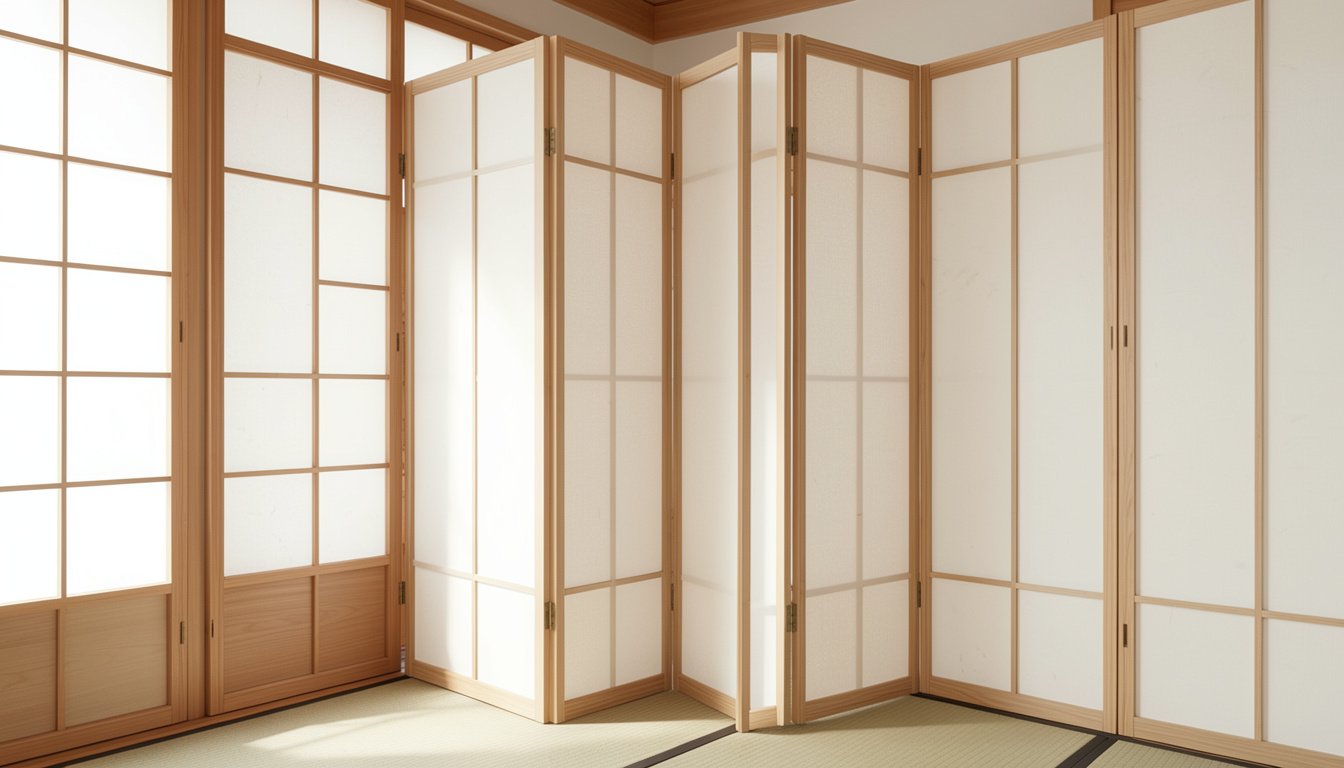
Curtains are the renter-friendly MVP – they add texture, dampen sound a bit, and you can open or close depending on your mood. I installed a tension rod and draped linen curtains to separate my bed from the living area – total game changer for guests. If you work from home, sliding them closed during calls gives an instant backdrop.
Draped Living Space Split
This one leans into cozy layering – curtains plus furniture placement equals a lived-in, intentional feel. I used a sheer curtain behind a loveseat once and the room suddenly felt deeper, like it had secrets. Also, it makes morning light softer so you’re not blinded by sun at 7 a.m.
Tall Bookcase Barrier
A tall, loaded bookcase gives instant privacy and a ton of storage – plus it creates the cozy, library vibe I’m obsessed with. I propped mine against the midline of my studio and it basically acted like its own wall. Heads up – it’s heavy, so anchor it if you can.
Mixed Shelving Divider
Combining wall shelves and floor units offers visual separation without feeling boxed in – the staggered heights look intentional. I played with floating shelves above a low console and honestly it disguised a messy tangle of wires – score. Mix in baskets to hide the ugly stuff.
White Shelving Split
White shelves keep things light and airy while still being a practical divider – perfect for small spaces that need brightness. I used pale shelving in my first apartment and it made everything feel less cramped. Styling with books and ceramics makes it look curated, not utilitarian.
Eclectic Shelved Divide
Go eclectic with mismatched shelves, plants, and framed pieces for a lived-in look that feels personal. My favorite part about this approach is that nothing needs to be perfect – I mix thrifted finds with little ceramics I’ve collected. Don’t worry if it’s a little messy; that’s part of the charm.
Closet Style Divider
Open shelving for clothes and baskets functions like a closet and separates your sleeping area without doors. I once turned a shelving unit into a faux-closet and it felt like I upgraded apartments overnight. It’s super practical if you’re lacking closet space.
Light-Filled Divider
Let light be the divider – place seating to face a window and use a low piece behind it to suggest separate zones. I did this when I wanted my bed tucked away but still wanted to bask in afternoon sun. The room felt bigger, promise.
Window Plant Partition
Plants clustered near windows drive a gentle division and keep your space airy while adding texture. I once made a little green wall in front of my sleeping nook – it was peaceful and made the whole place smell nice. Be careful with placement though – humidity matters for some plants.
Cozy Green Nook
Sometimes a few potted plants and a small side table are enough to carve out a distinct nook that feels private and cozy. I still have my bedside fern because it reminds me of lazy weekends. Little details like that make a huge difference for me.
Furnished Plant Barrier
Combining furniture and plants gives a lived-in look that doubles as a divider – think console plus tall greenery. I used a console table with a large plant behind it to separate my workspace from the couch area. It felt more intentional than just shoving furniture against a wall.
Indoor Jungle Divider
If you’re a plant obsessive (guilty), create an indoor jungle that also acts as a visual boundary – it’s dramatic in the best way. I once had so many plants by a divider that guests asked if I ran a plant shop. It’s cozy but does require regular care.
Bedside Library Split
Put your books on display as a separator and you’ll feel like you live in a tiny boutique hotel – it’s romantic, honestly. I keep a stack of bedtime reads on my divider and it makes my sleep routine feel luxe. Also, it’s an excellent excuse to buy more books.
Coffee Table Separator
A strategically placed coffee table can indicate a living zone while keeping sightlines open – minimal but effective. I once used a long, narrow table behind a sofa to make a walkway and it worked better than I expected. Bonus – it’s a perfect landing spot for coffee and keys.
Centered Bed Divider
Centering the bed and framing it with plants or a small shelf creates a distinct sleeping area without feeling boxed in. I tried centering my bed during a move and it made the whole room feel balanced – kind of magical. If you love symmetry, this one’s for you.
Open-Plan Divider
In an open plan, use furniture placement like a sofa back or console to split kitchen and living spaces – it’s clean and practical. I arranged my couch to face away from the kitchenette and suddenly my studio felt more like distinct rooms. It also hides dirty dishes from guests – bonus.
Window Bed Border
Tuck the bed near a window and keep a minimal divider between it and the living area for a serene corner that feels separate. I used a thin metal frame once and it gave the bed area a tiny, curated alcove vibe. It’s simple, but it works wonders.
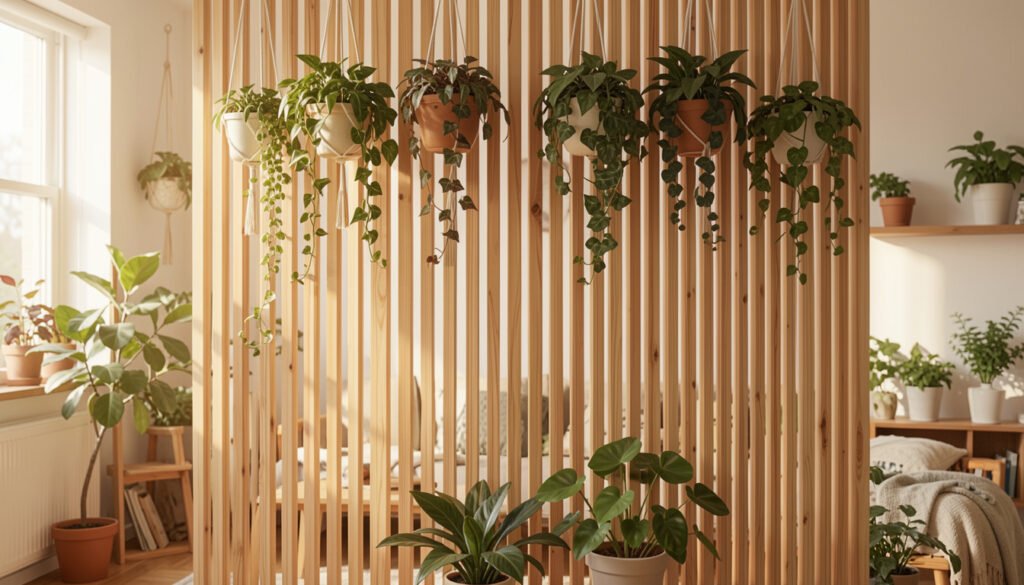
Wooden Slat Screen
A wooden slat screen gives texture and privacy while letting light through – I adore the balance of warmth and openness. I once hung a tote bag on a slat divider and it looked so lived-in that friends asked for the link. It’s stylish and practical.
Cozy Shelf Wall
Create a wall of shelves and style it with books, baskets, and plants to form a real boundary that’s also beautiful. Styling took me an afternoon and a few cups of coffee, but the result felt totally worth it. If you like to change decor often, this setup is very forgiving.
Cabinetry Hallway Divider
Built-in looking cabinets or tall storage units near an entry can create a foyer-like hallway and separate the rest of the studio. I imagined doing this in my dream apartment and honestly, it would make mornings less chaotic. It’s a more permanent move, but so polished when done right.
How to Actually Make This Work For You
Start with what you need first – privacy, storage, or light – and choose a divider that solves that problem while matching your style; don’t pick something pretty if it won’t function for your daily life. Try temporary or renter-friendly solutions like curtains or open shelving before committing to built-ins, and test placement with cardboard or painter’s tape so you don’t end up moving heavy pieces around. Lastly, embrace imperfection – a lived-in studio is cozy, and small mismatches often make the space feel personal rather than staged.
What’s the easiest divider for renters?
Curtains or tension-rod shelves are the easiest renter-friendly dividers – they require no drilling and can be removed quickly. They give instant separation without damaging walls, which is perfect if you move often.
Can plants really act as a divider?
Yes, plants on tiered shelving or tall pots create a soft, living barrier that lets light through while adding texture and privacy. Just pick low-maintenance varieties if you’re forgetful about watering.
How do I keep a divider from making my studio feel smaller?
Choose open or low-profile dividers and keep color palettes light to maintain a sense of space, and place pieces perpendicular to the window to preserve sightlines. Mirrors and reflected light also help the room feel bigger.
Is building a permanent divider worth it?
It depends on how long you’ll stay and your budget – permanent dividers can add value and function, but temporary solutions offer flexibility. If you love the layout after trying a temporary fix, then upgrading makes sense.