I finally found the perfect bedroom room divider for my tiny city apartment, and honestly it felt like the moment my space grew up a little. Creating a cozy corner where I can read or work without feeling like my entire life is on display has been a small life upgrade. I still get a little giddy every time I walk past it.
I’m writing this because for months I scrolled through endless pins hoping for ideas that actually fit small spaces and real budgets, not just glossy magazine spreads. I tried folding screens, hung curtains, and even attempted a DIY slatted divider that leaned a little too much and collapsed once – true story, I learned fast. These picks are the ones that stood up to daily life, welcomed natural light, and gave me privacy without making the room feel smaller.
You’ll find 15 bedroom room divider ideas here – everything from budget-friendly curtains to sturdier wooden panels and creative multi-purpose pieces. I’ll tell you what worked for me, what to avoid, and small tweaks to make each idea feel personal and cozy.
These 15 Bedroom Room Divider Ideas You’ll Actually Use
Open Folding Screen
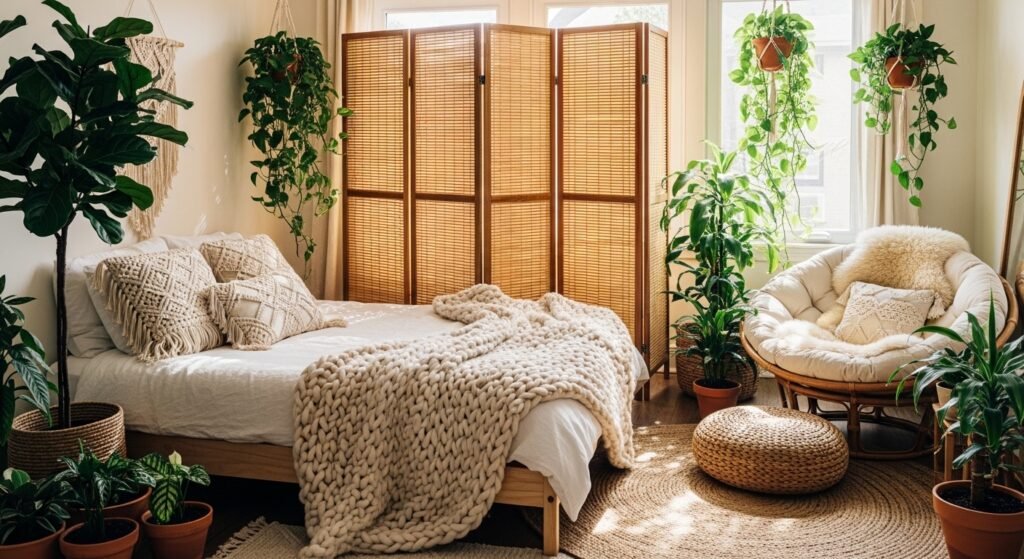
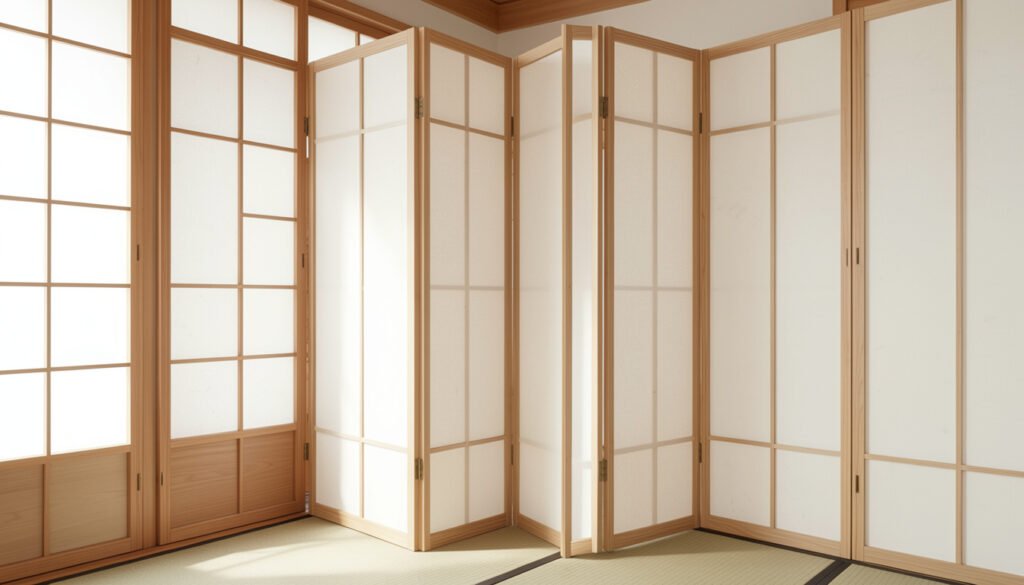
This open folding screen vibe is perfect when you want to separate zones without blocking air or light, and it feels airy rather than heavy. I once used a similar screen between my bed and a living area – it instantly made my bed feel like its own little sanctuary. If you’re renter-friendly like me, this is a move you can make overnight. Also, it’s forgiving if you change your mind later.
Window Desk Divider
A desk by the window that doubles as a divider is pure multitasking magic: workspace plus visual separation. I love this because during daytime you get task light and at night the desk softens the room lines, so sleep feels more intentional. You could style it with a lamp and a low shelf to make a more defined boundary. Honestly, I wish I’d done this sooner in my first studio.
Bookshelf Partition
Bookshelves make functional dividers, and they’re one of my top recommendations if you want storage and separation in one move. I have a bookshelf that split my living area and sleeping nook, and it became a decor focal point filled with plants and mismatched treasures. You can keep it open or add baskets on lower shelves to hide clutter. If you lean it slightly, the space reads as intentional, not cramped.
Plant-Filled Shelves
Using plants on shelving to divide a bedroom feels fresh and alive – literally. I once used trailing pothos and a few tall fiddle leaves to soften a corner divider and the room smelled better, or maybe that was just my overenthusiastic diffuser. Either way, greenery creates a breathable separation that still keeps the vibe cozy. Pro tip – choose low-light plants if the area doesn’t get direct sun.
Dresser Divider with Mirror
A dresser placed back-to-back with the bed, topped with a mirror, is practical and kind of glamorous in a lived-in way. I swapped a thrifted dresser once to create a mini-dresser-divider and suddenly mornings were more efficient. The mirror bounces light and helps the space feel larger, which is a huge win in small bedrooms. You can layer baskets underneath for shoes or laundry – not pretty, but useful.
Canopy Curtain Nook
Hanging curtains from a canopy or ceiling track feels romantic and is one of the simplest ways to create separation without building anything. When I lived with a roommate, I hung linen curtains around my bed and suddenly had privacy for calls and late-night reading. You can tie them back during the day and close them for instant coziness at night. Lightweight fabric works best so it doesn’t feel heavy.
Bed-in-Living Layout
Placing a bed in a larger living area and using shelves or small screens to divide the zones can be surprisingly chic. I tried this arrangement in a temporary sublet and learned that small rugs and layered textiles help the bed read as a bedroom, not a couch replacement. Adding a tall bookcase behind the headboard made the whole setup feel intentional. It’s a great hack if you’re bouncing between spaces.
Sliding Glass Door Boundary
Sliding glass doors as dividers are modern and let light flow while giving you a real sense of boundary when closed. If sound control matters, glass helps more than open shelving, though you’ll still want curtains for privacy at night. I love this for a home office-bedroom combo because you can visually close the door after work. It does need some planning for track installation, but the effect is sleek.
Glass Wall Seating Nook
A glass wall with a comfy chair in front reads like a little public square inside your private room – cozy but grown-up. I once used this idea to carve out a reading spot and ended up spending more weekends curled up there than at my desk. If you want separation without losing openness, glass is the way. Add a rug to anchor the chair so it doesn’t feel like an island.
Wood Slatted Door Accent
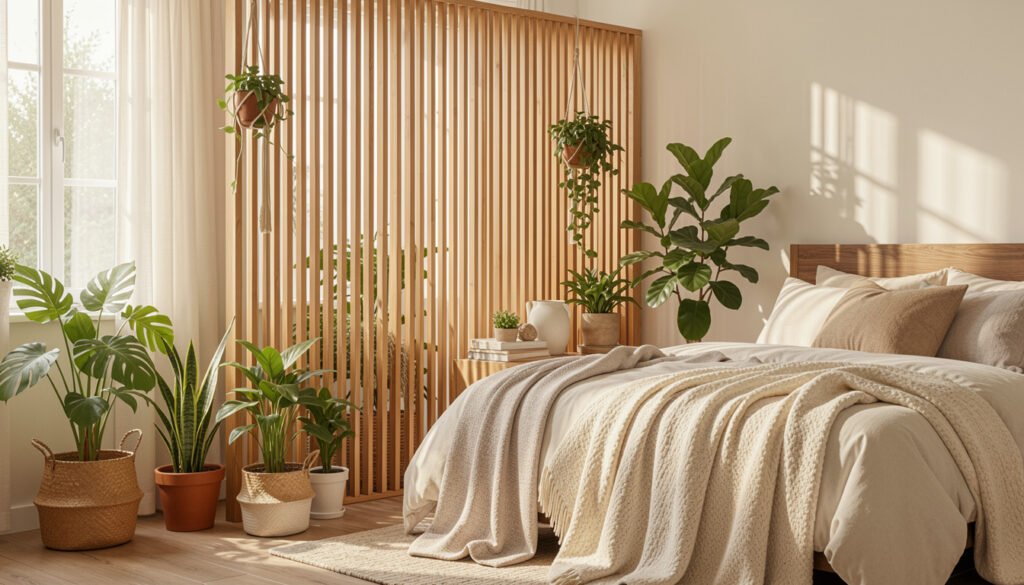
Wood slatted doors or panels give a warm, Scandinavian feel and partially block sightlines while letting light through. I built a simple slatted panel once out of spare wood and paint, and while it was a slightly messy weekend project, the result felt professional. The gaps create interesting shadows during golden hour too. If you want warmth without heaviness, this is a winner.
Low Sofa Divider
A low sofa placed behind a bed is an unexpected divider that doubles as seating for guests or a morning coffee spot. I used this trick for a while when I hosted friends – they sat on the sofa while I stayed tucked in my bed, which felt secretly luxurious. The low height keeps sightlines open while creating two functional zones. Choose a compact sofa so the room doesn’t feel blocked.
Window Seat & Curtain
Building a window frame with curtains around a bed or seat creates a cozy alcove and feels like a hug every time you sit there. I made a tiny bench under the window once and draped curtains for drama – guests assumed it was professionally done. It’s especially lovely for small bedrooms that have great natural light but need clearer zones. Soft, light fabrics keep it from feeling claustrophobic.
Bookshelf + Bed Combo
Stacked bookshelves that sit perpendicular to the bed make a cozy headboard-divider hybrid and say a lot about personality. I have a messy leaning stack of books myself and using books as a visual wall instantly made the sleeping area mine. You can keep it open for a casual look or back it with a curtain for privacy. Baskets hide the ugly stuff and keep this idea functional.
Soft White Curtain Panel
White curtains are the easiest, least committal divider you can do – and they match everything, which I appreciate on lazy days. I hung a ceiling-mounted white panel once and being able to sweep it aside felt almost theatrical, in a good way. It makes the room breathable and serene, and you can change the mood with different tiebacks or trims. If you’re on a budget, start here.
Classic Canopy Setup
A canopy around your bed is timeless and doubles as a room divider when placed centrally – think soft walls that hug you in. I used a sheer canopy in an older apartment to make my bed feel like a private retreat, and honestly, it helped my sleep routine too. You can DIY with hoops and linen if you’re handy, or grab a ready-made frame for less fuss. It’s romantic and oddly practical.
Open Shelf Styling
Open shelves as dividers let you style both sides differently and are great if you love rotating decor. I change my shelf styling by season – plants in spring, warm throws in fall – and it keeps the whole room feeling new. Since both sides are visible, aim for two cohesive palettes so the divider feels intentional. Use baskets for unsightly bits, because reality happens.
How to Actually Make This Work For You
Start by measuring like your life depends on it – small mistakes matter more than you think – and imagine walking around the divider when doors or drawers are open, because nothing ruins a vibe faster than a smashed elbow. Pick one focal function for the divider: storage, privacy, light control, or aesthetic, and prioritize that over trying to do everything at once, which is a trap I fell into more than once. If you’re renting, favor non-permanent solutions like tension rods, curtains, or freestanding shelves; if you own your place, consider semi-permanent options such as sliding panels or built-ins that can be tailored to your exact layout. Finally, layer in textiles, lighting, and a consistent color story so the divider reads as part of the room rather than an afterthought – tiny styling choices make the difference between “temporary hack” and “intentional space.”
Can a room divider make a small bedroom feel larger?
Yes, paradoxically a well-chosen divider can make a small bedroom feel larger by creating defined zones and improving the perceived layout. Light materials like slatted panels or glass keep openness while adding structure, so choose ones that let light flow through.
What are the cheapest divider options that still look good?
Curtains, folding screens, and open shelving are budget-friendly and stylish when styled thoughtfully. Scavenging thrift stores or DIYing a slatted screen can keep costs low while giving you a unique piece.
Do dividers reduce sound between zones?
They can help somewhat, but most dividers won’t fully soundproof a space – solid materials and heavy curtains perform better than open shelving. If sound control is crucial, look for panels with mass or add soft furnishings to absorb noise.
How do I choose the right divider for my lifestyle?
Think about your main need first – privacy, storage, or light – and pick a solution that prioritizes that function. Also consider ease of installation and flexibility, especially if you move often or like to rearrange your space.