Disclosure: As an Amazon Associate we earn from qualifying purchases. Some links on this page may be affiliate links — if you click through and make a purchase, we may receive a small commission at no extra cost to you.
Okay bestie, if you’ve been scrolling for inspiration, these house front wall design ideas will give your curb a personality boost without needing a full renovation. I get obsessed over tiny details like texture and lighting, and I think your front wall is way more important than people admit.
I wrote this because I wanted a compact collection of looks that feel modern but achievable, and I’ve tried a few of these out myself. I’ve patched a cement wall, added plants to a porch, and learned what actually lasts in sun and rain – so this isn’t just pretty pictures.
Read on and you’ll leave with practical ideas you can try this weekend, plus a few mistakes I made so you don’t repeat them.
These 15 house front wall design ideas to inspire your curb appeal
Minimal Cement Accent

I adore the raw, clean look of an exposed cement wall paired with a single tree for contrast because it reads modern without trying too hard. You can soften the industrial vibe by planting a slender tree or adding a narrow planter bed along the base. When I tried a similar finish on my side yard, I learned that sealing the cement was non-negotiable to avoid ugly stains over time. Try a pale limewash if you want to warm the surface without covering texture.
Patterned Tile Pop

A patterned tile section can be a joyful surprise on an entry wall and it doesn’t have to be full-coverage to be effective. Imagine a vertical or horizontal strip at eye level or near your mailbox so it feels intentional instead of overwhelming. I once saw this treatment in a neighborhood café and scribbled down the idea to use on my own porch; it turned my plain entry into something visitors actually comment on. If you want bold, pick one color from your door or mailbox to tie everything together.
Nighttime Path Glow

Lighting next to a front wall changes everything after dark, turning a simple facade into a cozy mood maker you’ll love coming home to. Low wall lights or uplights aimed at textured finishes create depth and make small plants pop in the evening. If you want an easy weekend upgrade, install warm LED strip lights along the base and test different intensities before committing. People notice thoughtful lighting, and it feels expensive even when it isn’t.
Casual Wall Texture

Even a single textured panel can make a wall feel intentional and lived-in, especially if you layer in a bench or a coat hook for that human touch. When someone leans against a textured surface, it reads as relaxed and welcoming rather than sterile. You might try a rough-render finish or a lime plaster section to add subtle shadows that shift with the sun. Think about adding a small seat so guests can pause and admire the detail instead of just passing by.
Cozy Plant-Filled Porch

Potted plants along the base of a wall and on the porch steps make a house look tended and friendly, no matter the architectural style. You can mix heights and pot textures to create an intentional, layered look that feels collected over time. I filled mismatched pots with herbs and succulents at my old rental and it completely changed how the front felt on a tight budget. If your porch is small, choose vertical planters to keep the floor clear and the visual interest high.
Inviting Bench Spot

A simple bench against a front wall signals hospitality and gives you a real spot to set down packages or sip morning coffee. Choose a durable material like teak or metal and add a waterproof cushion for comfort that survives weather. I put a bench under my entry window and neighbors started dropping by to chat more often, which surprised me in the best way. Small seating makes exteriors feel like extensions of your living room.
Tall Planter Drama

Using tall planters or sculptural vases next to a wall adds vertical drama and frames an entryway without permanent construction. Pick shapes and finishes that echo your house details so the planters feel curated rather than tacked-on. You can swap plants seasonally if you want freshness, or stalk a local flea market for unique vessels that tell a story. Tall planters are a great way to make a small facade feel intentional and designed.
Classic Gray Facade

A neutral gray wall with crisp white trim is timeless and feels sophisticated even when decor is minimal. This palette creates a perfect backdrop for colorful plants or a bold door, allowing accents to stand out. If you aren’t sure which gray to pick, test swatches on different walls because light can shift the tone dramatically. Once you choose a trim color, keep hardware and house numbers consistent so the whole look reads cohesive.
Warm Wood Slats

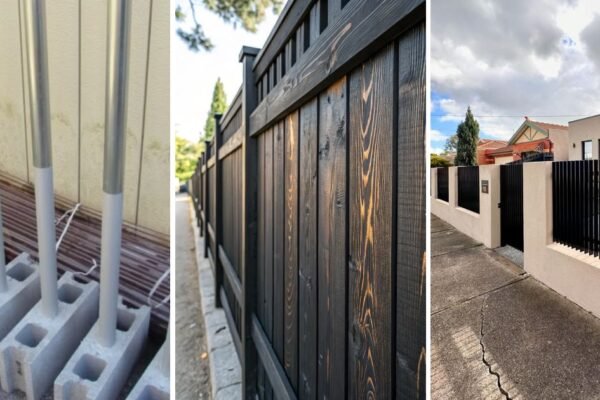
Wooden slats on a front wall bring warmth and texture that’s especially lovely next to greenery or a palm tree. To keep maintenance manageable, choose rot-resistant species and finish them with a UV-protective oil. You can stagger slat widths for visual interest or run them horizontally for a longer, lower appearance. If you want a modern-meets-tropical vibe, combine wood slats with a plain rendered wall and let the plants do the rest.
Stone Modern Mix

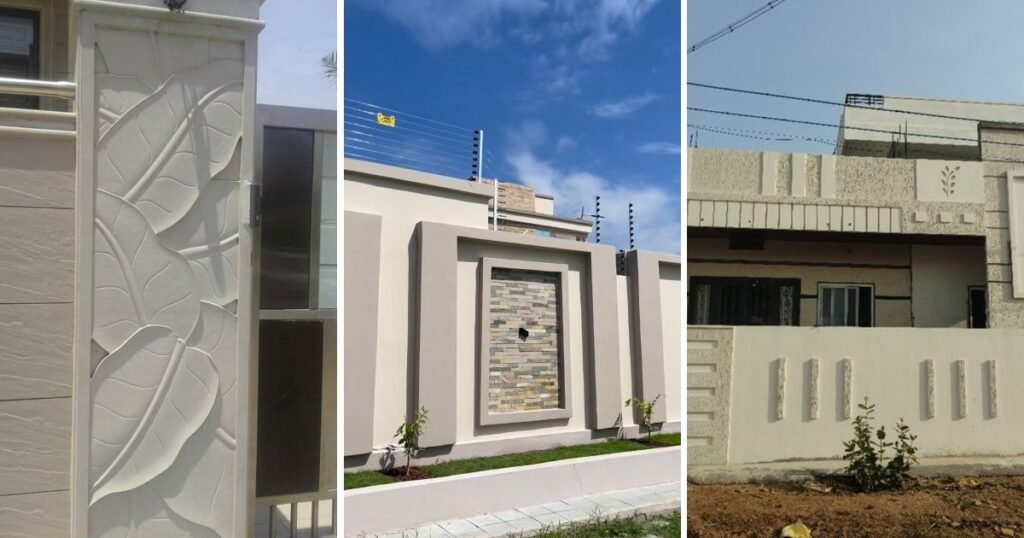
Stone cladding paired with sleek modern lines gives your wall a high-end, earthy feel that’s surprisingly versatile across styles. Mix stones with smoother materials like plaster or metal to create contrast that reads intentional and architectural. You can use stacked stone for a rustic touch or thin veneer for a lighter installation that still feels substantial. Don’t be afraid to let natural stone be the star and keep surrounding trims simple.
Simple White Cottage

I love a crisp white wall because it feels fresh and amplifies any colorful accents you add later like door paint or potted blooms. On a road trip last summer I photographed several little white cottages, and I stole their trick of pairing white walls with dark trim for instant charm. If your setting is rustic, consider slightly textured paint to hide dirt and make upkeep easier. White invites creativity, so keep a mood board of accent ideas before committing.
Balcony Green Charm

Balconies and window boxes overflowing with plants can instantly make an exterior wall feel lived-in and joyful, and they’re great when you rent. Use cascading vines and colorful annuals to achieve a layered look that changes through the seasons. You might place uniform boxes across windows for balance, or go eclectic with mismatched pots for a collected feel. For small walls, vertical planters create the same impact without stealing sidewalk space.
Cottage Fence Corner

A small fence or low wall in front of your facade adds a layer of privacy and frames plantings so your front feels intentional from the street. Combine a short fence with a groundcover and a couple of vertical accents for rhythm that reads charming and curated. I recommend keeping fence color subtle if your house already has strong trim so the plants remain the focal point. A fence corner idea is an easy afternoon painting project with big visual return.
Raw Construction Texture

Exposed blockwork or unfinished textures can actually be styled into a deliberate, industrial-chic look if you embrace rather than hide the material. Try sealing and then whitewashing blocks for a softer, Scandinavian take, or add climbing plants to soften edges over time. If your wall is currently unfinished, consider adding a thin stucco layer to unify the look without losing character. This approach is great when you want an honest, unpretentious facade that feels real.
Framed by Trees

Letting a tree or large shrub frame a front wall adds depth and a soft, lived-in feel that photos can’t quite capture. Placement matters – a tree too close can block architectural details, but a well-placed one creates a beautiful play of light and shadow. For petite homes, choose a slim, columnar species so the view isn’t overwhelmed. Your landscaping can do half the design work, so pick plants that echo the wall’s materials and colors.
How to Actually Make This Work For You
Start small and test one idea at a time so you don’t invest in something that looks great in photos but falls flat in your light and climate, and always order samples for colors and finishes before committing. Think about maintenance up front – if you hate painting, steer clear of treatments that demand frequent touch-ups, and choose plants and materials that match the level of care you’ll actually give. Finally, mix materials in odd numbers like three or five elements to create rhythm and keep the look from feeling too staged.
How much will these upgrades generally cost?
It depends on materials and whether you hire help – simple fixes like lighting and pots are inexpensive, while stone cladding or structural changes are pricier. You can spread changes over time to manage budget and still see a big impact. Start with low-cost accents to test styles before investing more.
Can renters try any of these ideas?
Yes – many suggestions work for renters such as potted plants, temporary hooks, and removable planters or lighting that clips on without drilling. Window boxes and freestanding screens are also renter-friendly options. Always check your lease for restrictions and document existing conditions before changing anything.
How do I choose between paint, stone, or wood?
Consider your climate, maintenance tolerance, and the house’s architectural style – paint is flexible and affordable, stone reads durable and high-end, and wood brings warmth but needs more upkeep. Test samples in sunlight and on different walls to see which option truly complements your home. Mix materials for contrast if you can’t decide on just one.
What should I avoid when updating a front wall?
Avoid overly trendy finishes that you’ll quickly tire of and anything that will demand more maintenance than you can realistically provide. Don’t block architectural features with oversized plants or permanent structures. Aim for balance so the wall enhances your home rather than competes with it.